Project case study
Preserving a Nashville landmark for its next chapter
In downtown Nashville, Skanska’s renovation of the War Memorial Building brings renewed purpose to a nearly century-old landmark. The 145,000-square-foot building, established as a tribute to Tennesseans who served and died in World War I, now features upgraded systems, improved access and refreshed spaces designed to support its continued use.
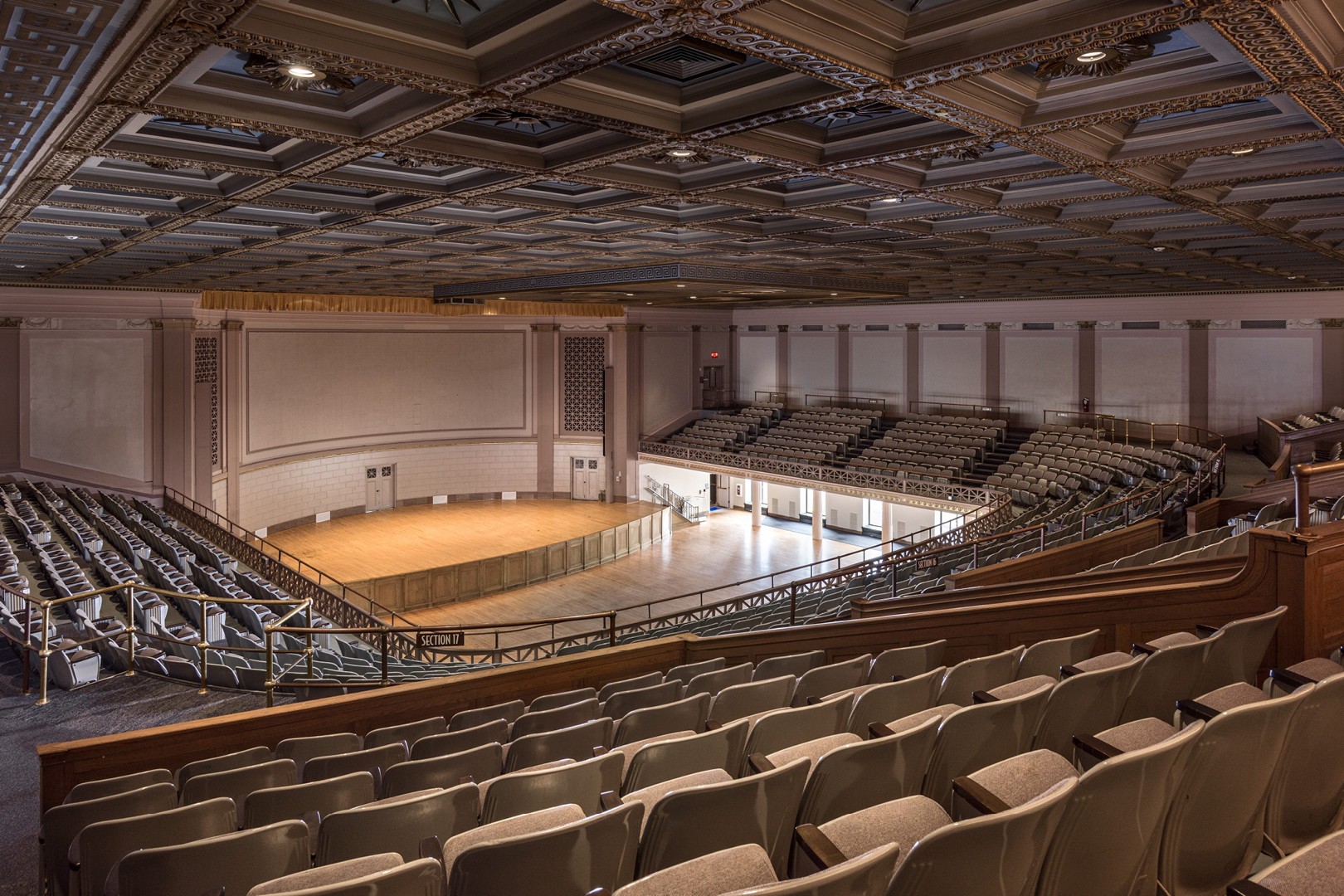
Anchoring the heart of Tennessee’s capital, the War Memorial Building remains one of Nashville’s most prominent public landmarks. Listed on the National Register of Historic Places, it was the first state office building constructed outside the Tennessee State Capitol. Along its west and north walls, the names of 3,400 Tennesseans who died in World War I are engraved into the structure itself — a reminder of the attention required throughout the renovation.
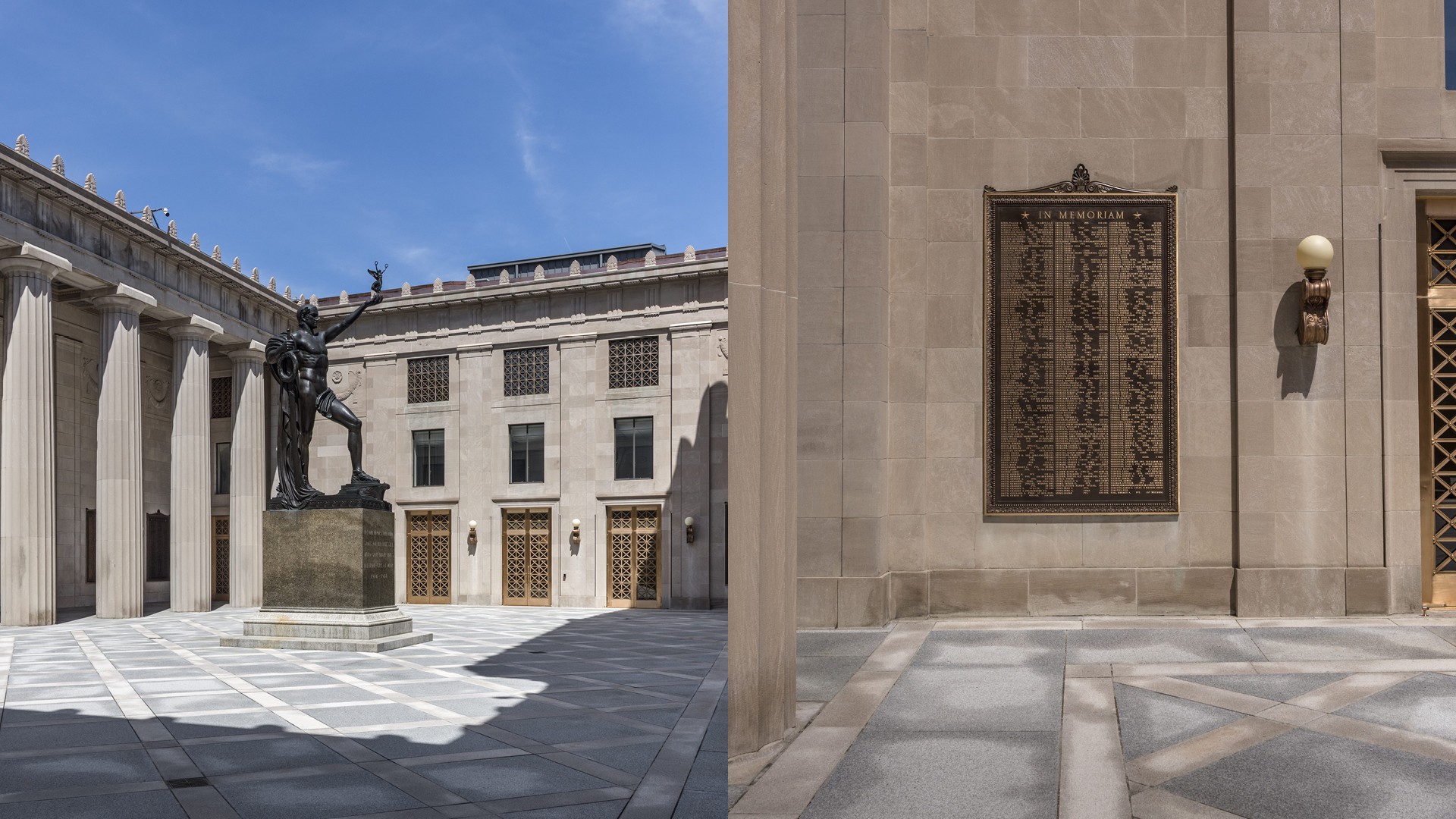
The work began with a detailed assessment of the building’s historic fabric and the improvements needed to support future use, including complex upgrades within the War Memorial Auditorium.
Working with project architects Centric Architecture and EOA Architects, Skanska’s scope included major mechanical, electrical and plumbing system upgrades, a new roof, window replacement, elevator modernization, ADA upgrades, stone façade restoration, architectural finish restoration, plaza replacement, and plaque and statue refurbishment.
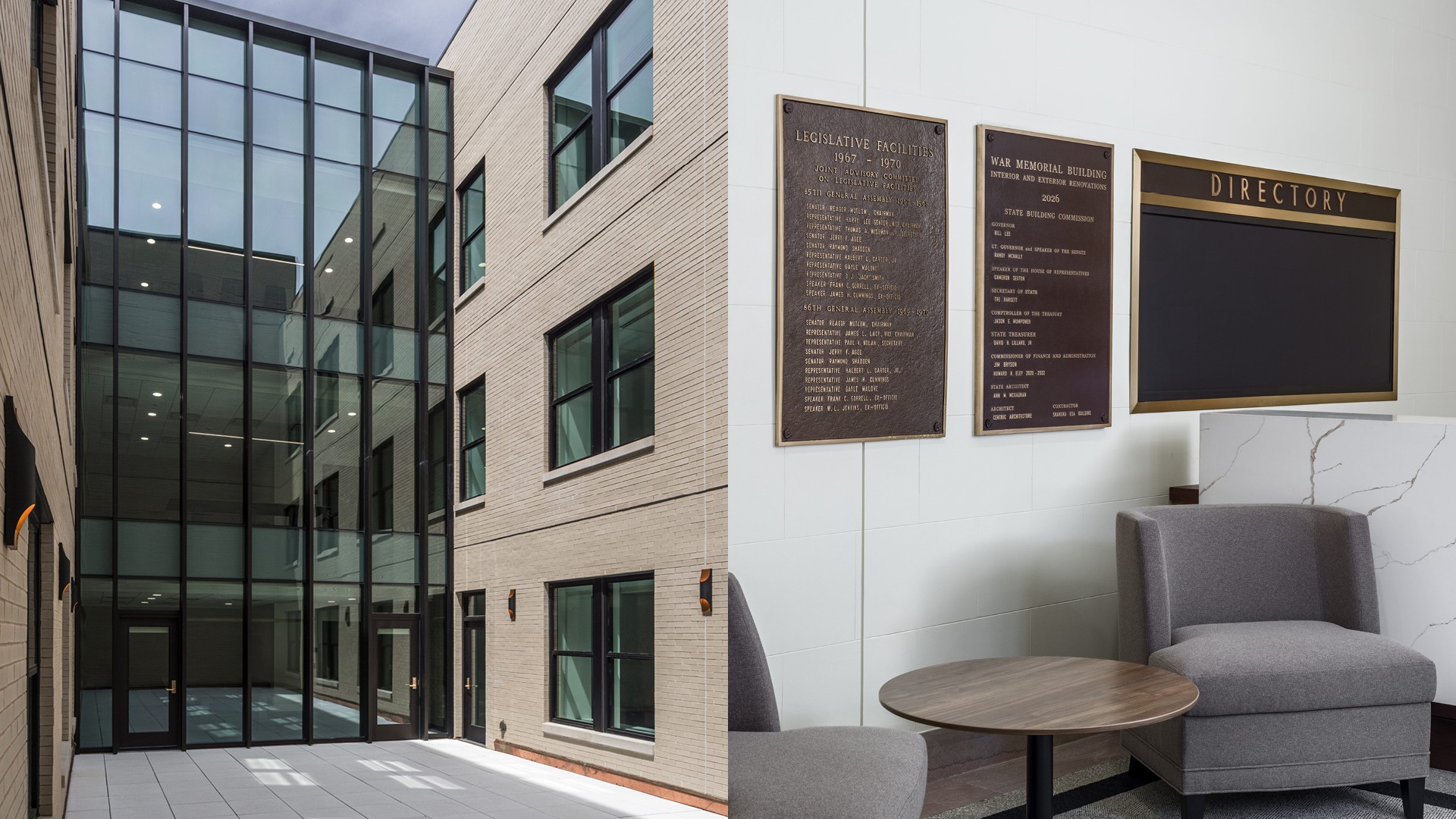
Inside the building’s North wing, the team reimagined office space while preserving architecturally significant finishes. An original light well was recreated to bring natural light into interior offices, and the courtyard within it was designed with a raised pedestal paver system, waterproofing and storm drains below. The result is a brighter, more functional workplace that still honors the building’s original design intent.
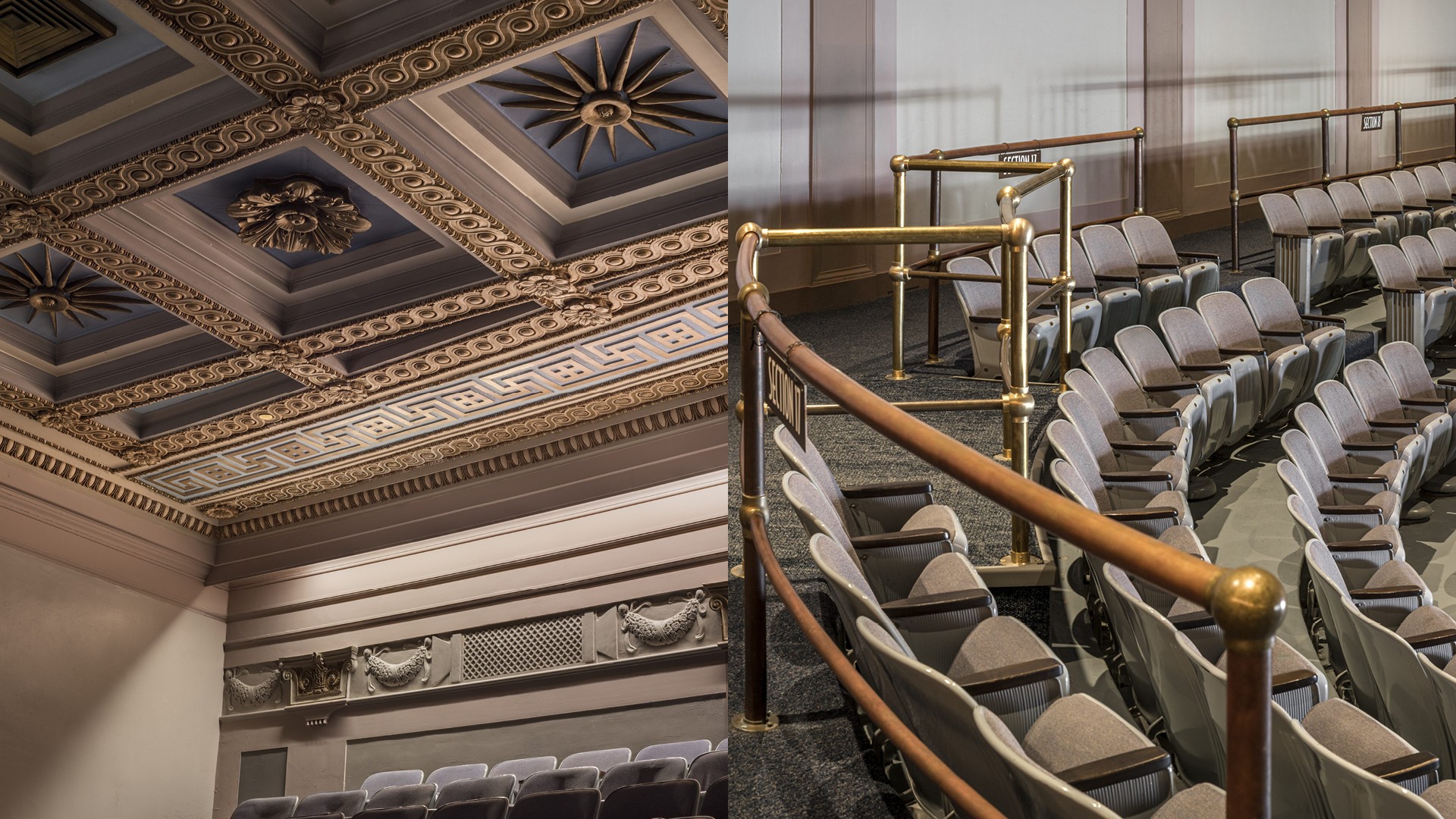
In the South wing, renovations focused on the War Memorial Auditorium, one of the project’s most technically complex spaces. Many of the auditorium’s finishes were protected, yet the space still needed significant accessibility, life safety and infrastructure upgrades.
Much of the building lacked modern ductwork, relying instead on terracotta-lined tunnels beneath the South wing that were originally used for air return and supply. Rather than treating those conditions as obstacles, the team worked with designers, engineers and preservation specialists to integrate the existing tunnel system into the new mechanical approach where possible.
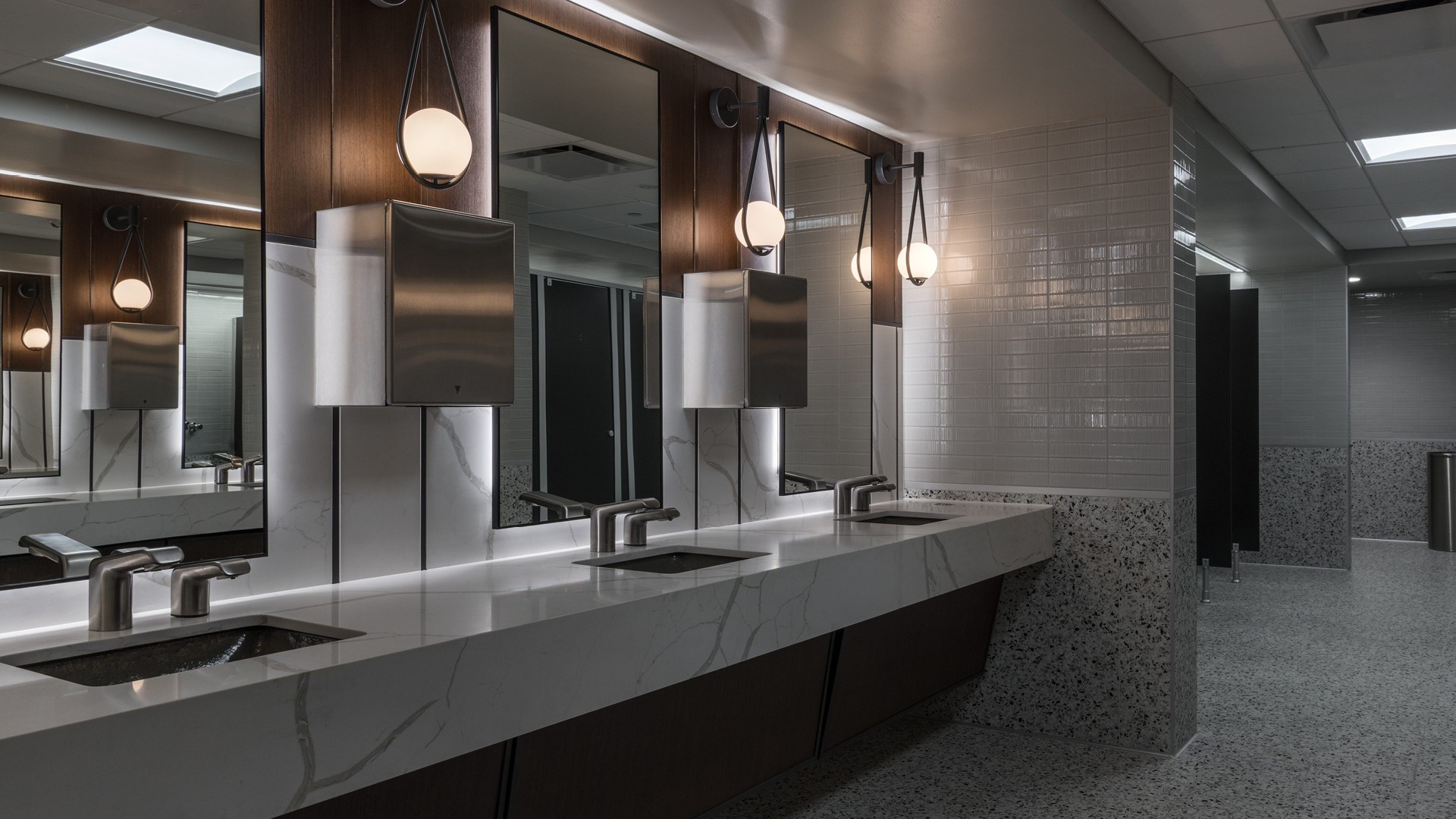
The team extended elevator service to reach the upper-level auditorium lobby, installed two new chair lifts, added four modern restrooms and installed a permanent non-combustible catwalk system in the attic. New mechanical, electrical, fire suppression and IT systems were also carefully threaded into the building, requiring close coordination to determine what could be altered, what had to be restored and how each intervention could support the auditorium’s future use.
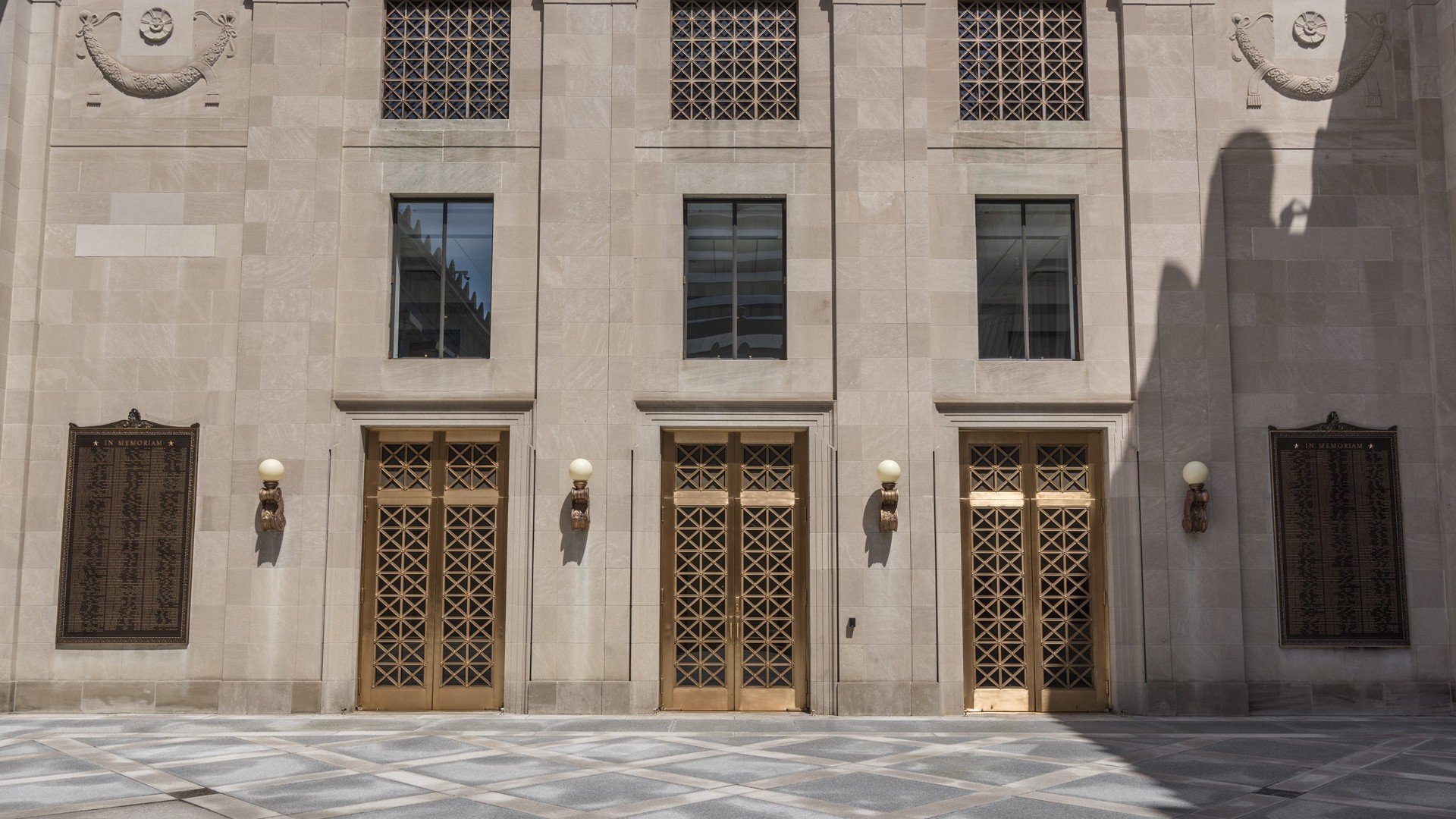
Exterior restoration required a similarly precise approach. To lift buildup from stone, terracotta, bronze and granite elements, the team used laser cleaning, avoiding abrasive methods that could have compromised the original materials.
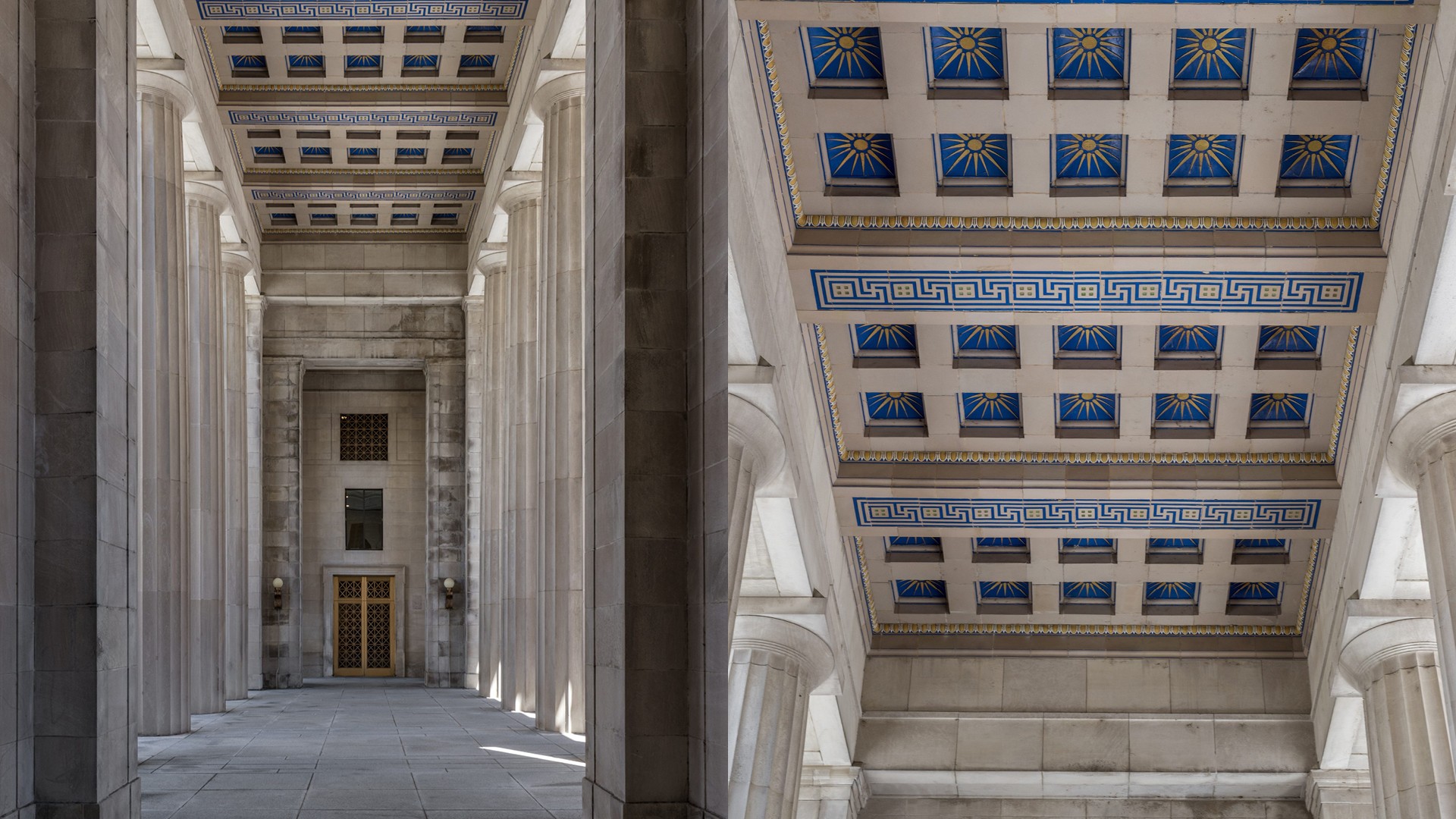
Missing or damaged decorative elements were recreated based on historical records or surviving examples, helping revive details that had been lost over time.
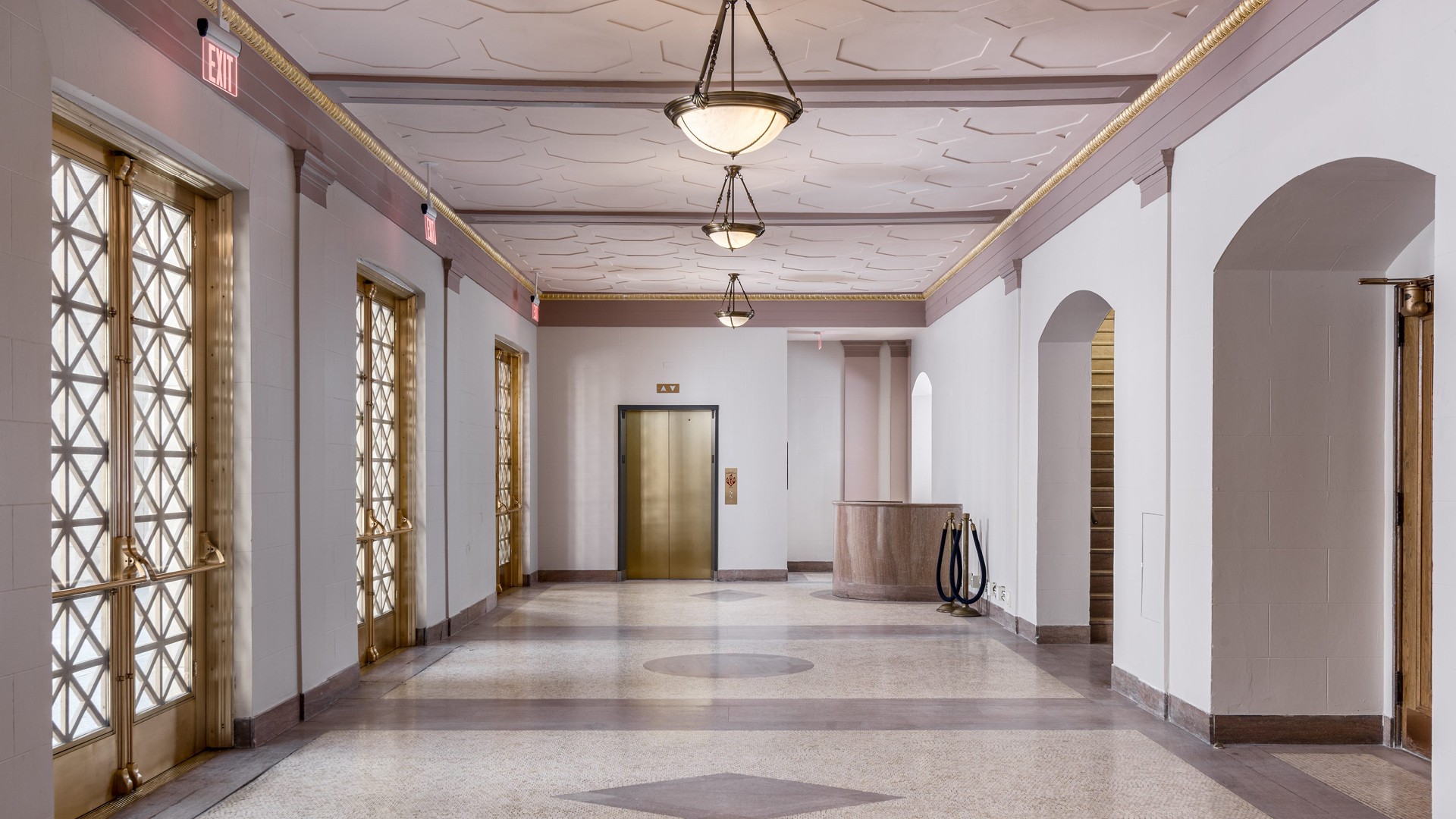
Original steel windows were restored, re-glazed and repaired to maintain their appearance while improving performance. Large bronze doors received full repair and restoration, while existing hardware was restored or replaced with replicas where needed.
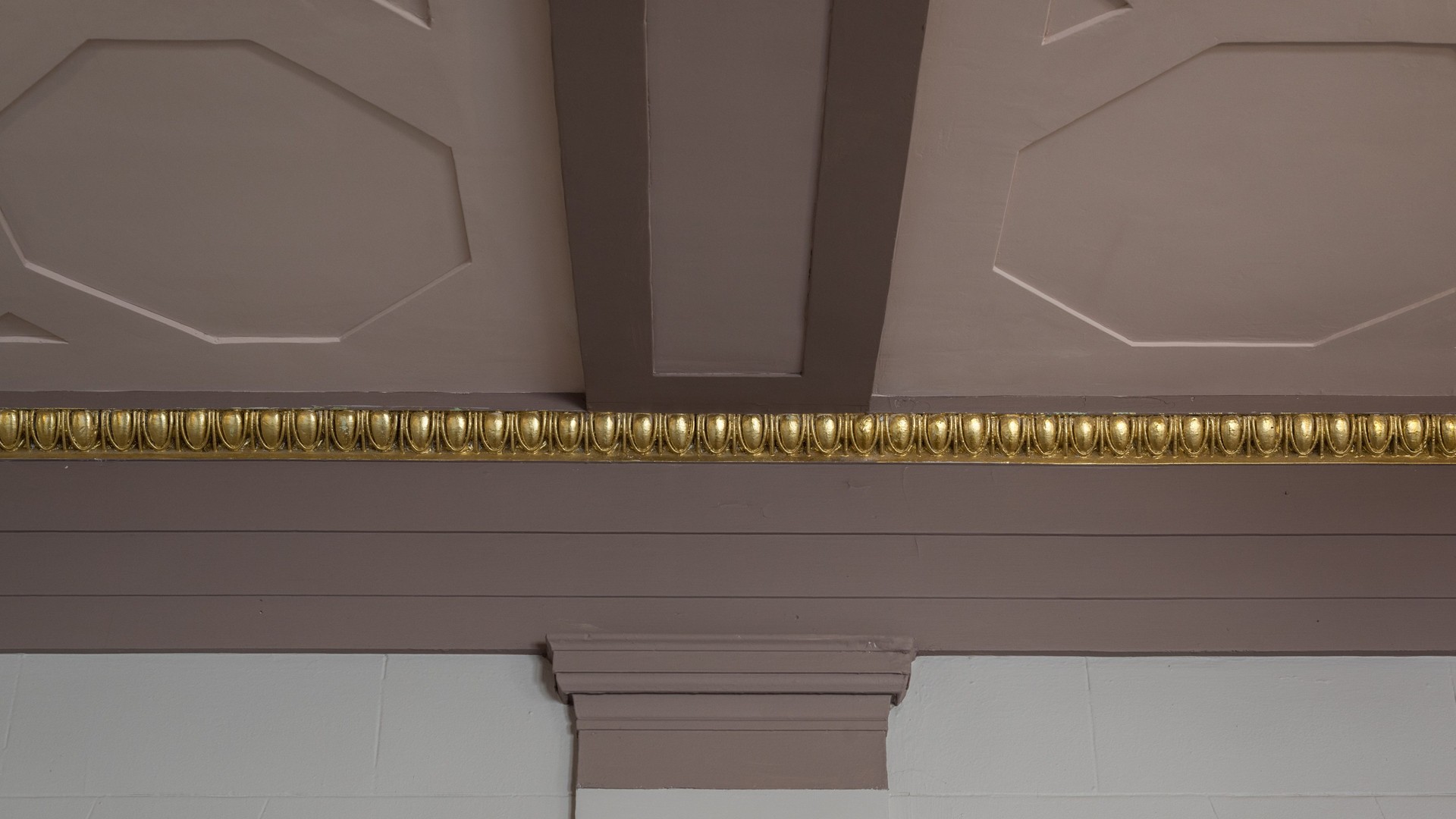
From the auditorium’s hidden infrastructure to the building’s smallest architectural details, the work reflected the project’s larger purpose: renewing a historic landmark so it can continue serving future generations.
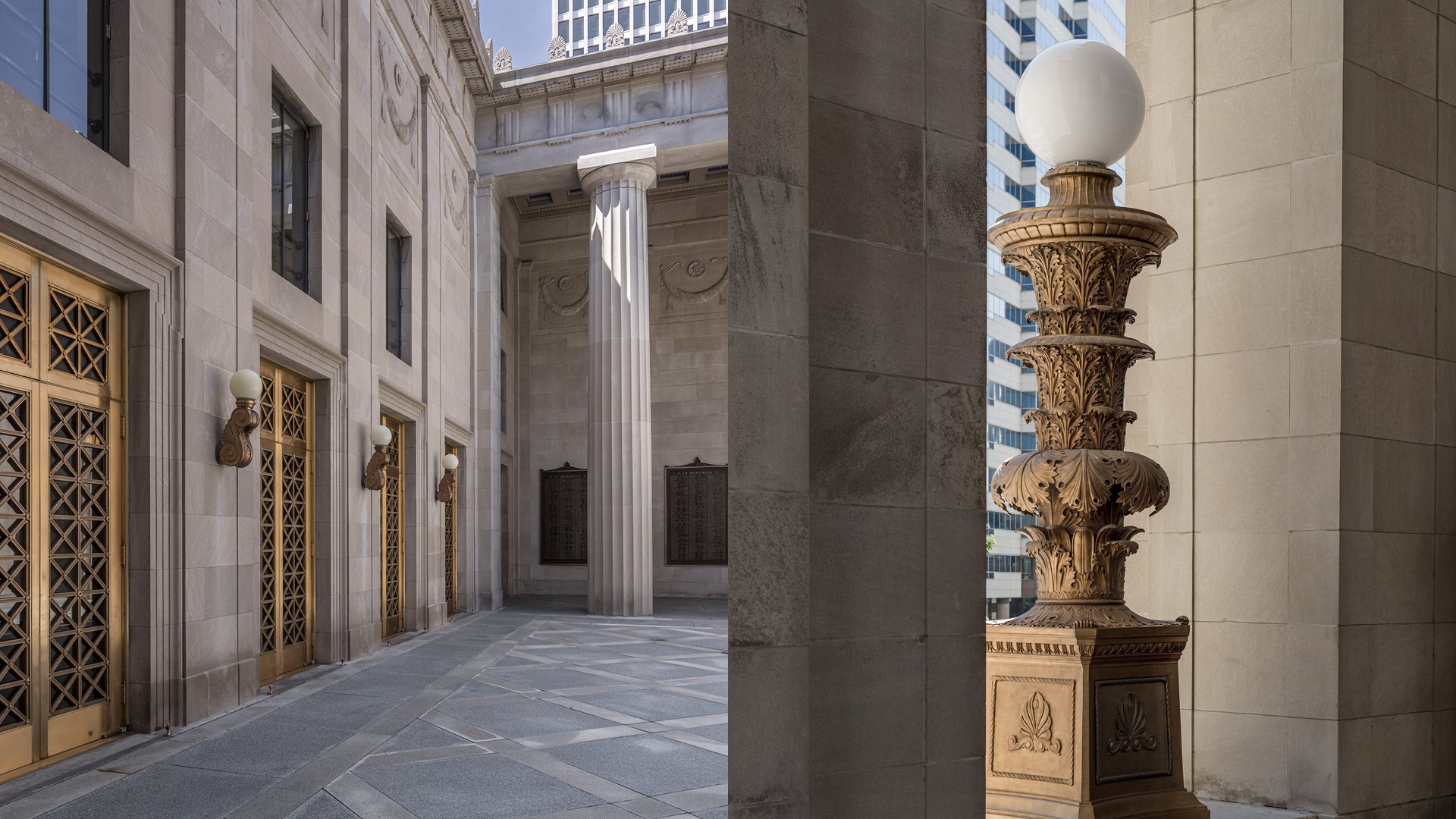
Today, the restored building remains a meaningful public landmark for Nashville and the State of Tennessee, connecting its original purpose with the needs of the people who use it now, including the Tennessee Attorney General’s Office. For Skanska, the project reflects what it takes to prepare a historic building for the future without losing the character that made it significant in the first place.
Categories