Sustainability
Delivering a net-zero conservation building for Cincinnati Nature Center
Skanska is building a compact, sustainability-forward field station for the Cincinnati Nature Center, a nonprofit in Goshen, Ohio. Bringing the $3.8 million field station to life is the first step in the nonprofit’s master plan to have all new facilities be net-zero from here on out.
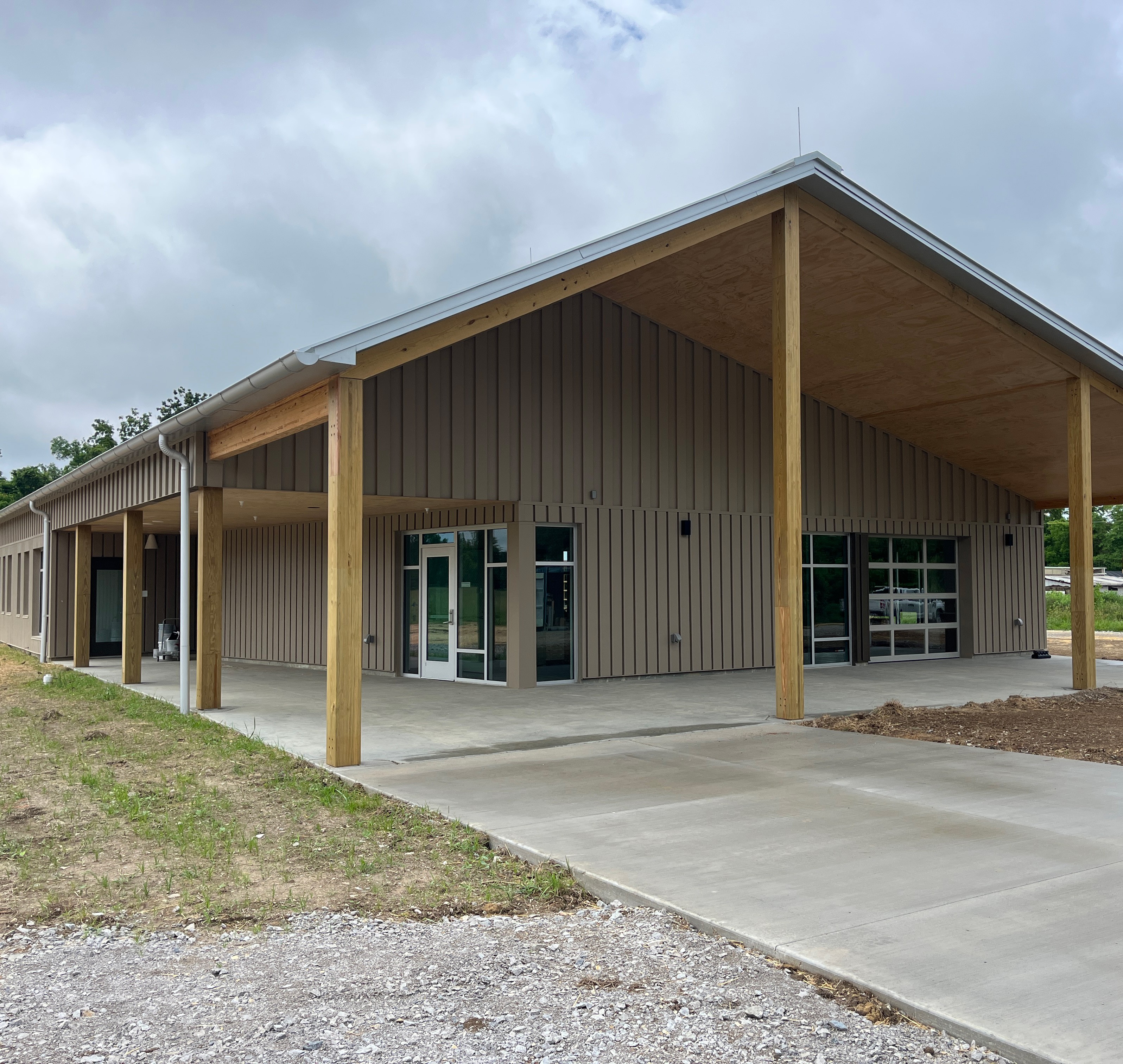
In 2024, our Ohio team kicked off work on the Nature Center’s 4,000-square-foot Field Station facility. The completed building is intended to support field research and ongoing conservation efforts, and feature lab workstations, equipment space, plant cultivation hoop houses, and a barn for native seed processing and storage. Meeting and office spaces will also be housed in the final building, slated to open in 2026.
The new building will support ongoing land management experiments at Long Branch, according to Director of Conservation Cory Christopher. Researchers are currently looking into how to best restore a forest after removing invasive plants.
The Field Station will also host educational workshops focused on teaching people how to take care of their property in environmentally conscious ways.
Assistant Superintendent Jordan Tobler says, “The field station will be a game changer for the Cincinnati Nature Center as it will give them a one-of-a-kind space to not only help educate the broader community, but also help to preserve local plants and wildlife through their horticultural programs.”
“This has been a great partnership between two organizations with a shared goal: sustainability,” he adds.
Planting the seeds for a nonprofit’s net-zero vision
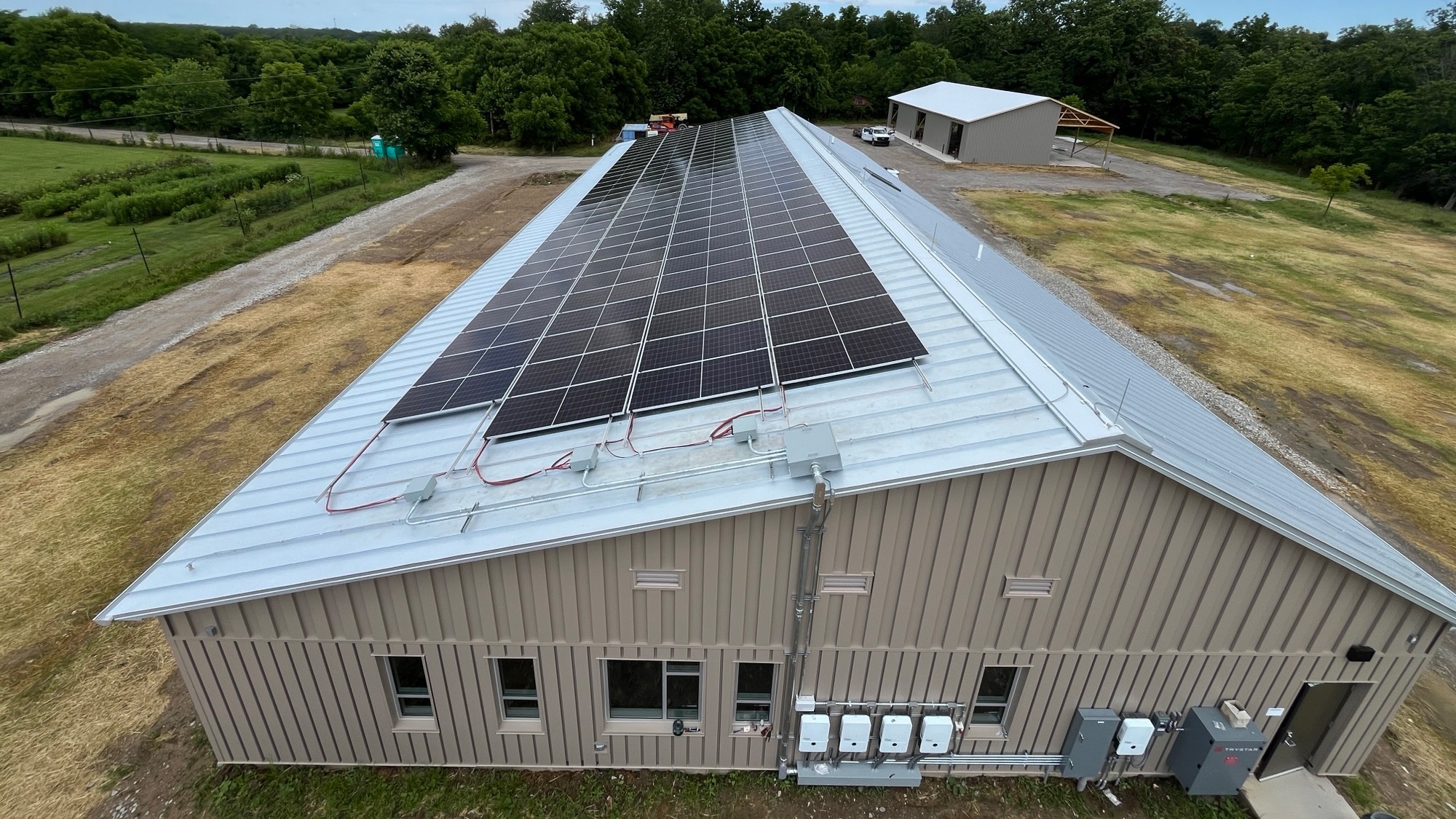
Preconstruction Manager Jeff Smoker says the Field Station has been designed as a net-zero building, aligning with the Nature Center’s commitment that future campus buildings follow the same standard.
“The two main systems that enable us to reach net-zero here are the photovoltaic panels, for the electrical component, and then the geothermal wells for heating and cooling,” he continues.
Skanska’s expertise in building with a net-zero vision across other Ohio projects has come into play throughout construction of the Field Station.
“In 2025, we completed a contract for a larger geothermal project for Butler Tech Aviation, so our team gleaned information and experience from our peers, and applied it to construction of the well field on this site ,” says Jeff.
Transparent advising and lifecycle thinking
From the outset, Skanska emphasized transparent, data‑informed conversations about the upfront premium associated with net‑zero systems, enabling the Nature Center to make informed decisions.
“There’s an upfront cost to pay to gain that net-zero kind of status,” Jeff explains, and the team worked with engineer CMTA to quantify those premiums alongside rebates and incentives that help shorten payback horizons.
By putting rebate scenarios and payoff calculations on the table, the team enabled the client to weigh near‑term costs against long‑term operational savings and environmental benefit.
Catalyzing a master plan for conservation
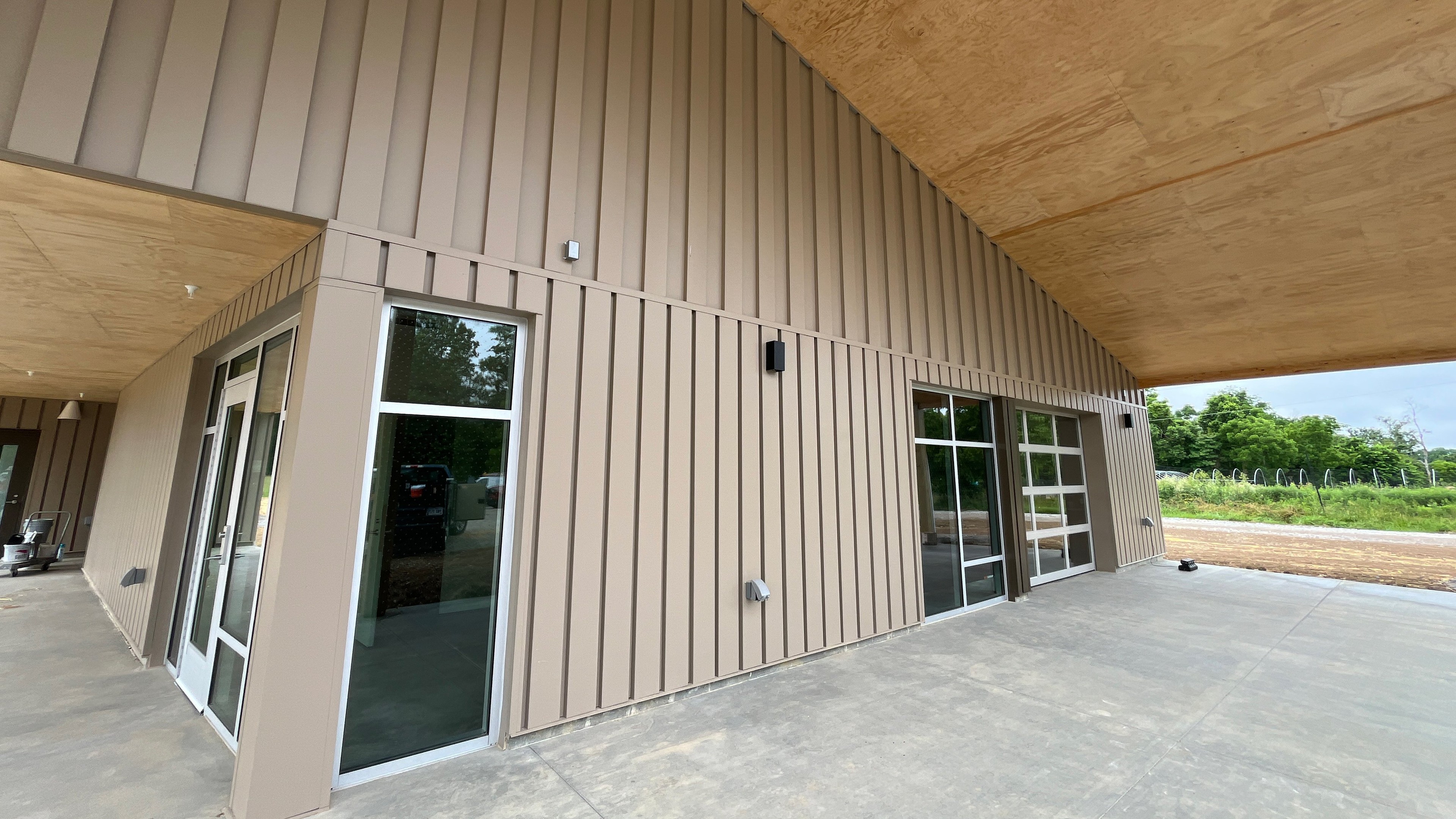
For Skanska, the field station is a key step in advancing the Nature Center’s broader campus master plan, which includes future mass timber projects.
The connection was strengthened by Skanska’s previous mass timber work in the region, helping build trust early in preconstruction.
Both Skanska and the Nature Center see the field station as a catalyst, generating excitement, supporting fundraising and paving the way for future development.
“This is the kickoff to their master plan,” says Jeff, noting that success here will help secure funding for later phases, including a potential mass timber welcome center.
Advancing community-focused work in Ohio
Skanska’s presence in Ohio has expanded significantly in recent years, with projects like Cincinnati Public Radio’s new headquarters and the Butler Tech Aviation Center helping shape communities across the state.
Cincinnati Public Radio’s LEED Gold-certified facility, the first mass timber broadcast facility in the U.S., reflects Skanska’s commitment to advancing sustainable, innovative solutions in partnership with clients.
The Cincinnati Nature Center field station continues that trajectory, serving as a compact but meaningful example of pragmatic sustainability and community-focused conservation infrastructure.
Categories