Press release
Skanska breaks ground on University of Oregon behavioral health facility, one of the nation's largest all-mass-timber healthcare projects
Mass timber project will create a first-of-its-kind hub for child behavioral health education, research and workforce development
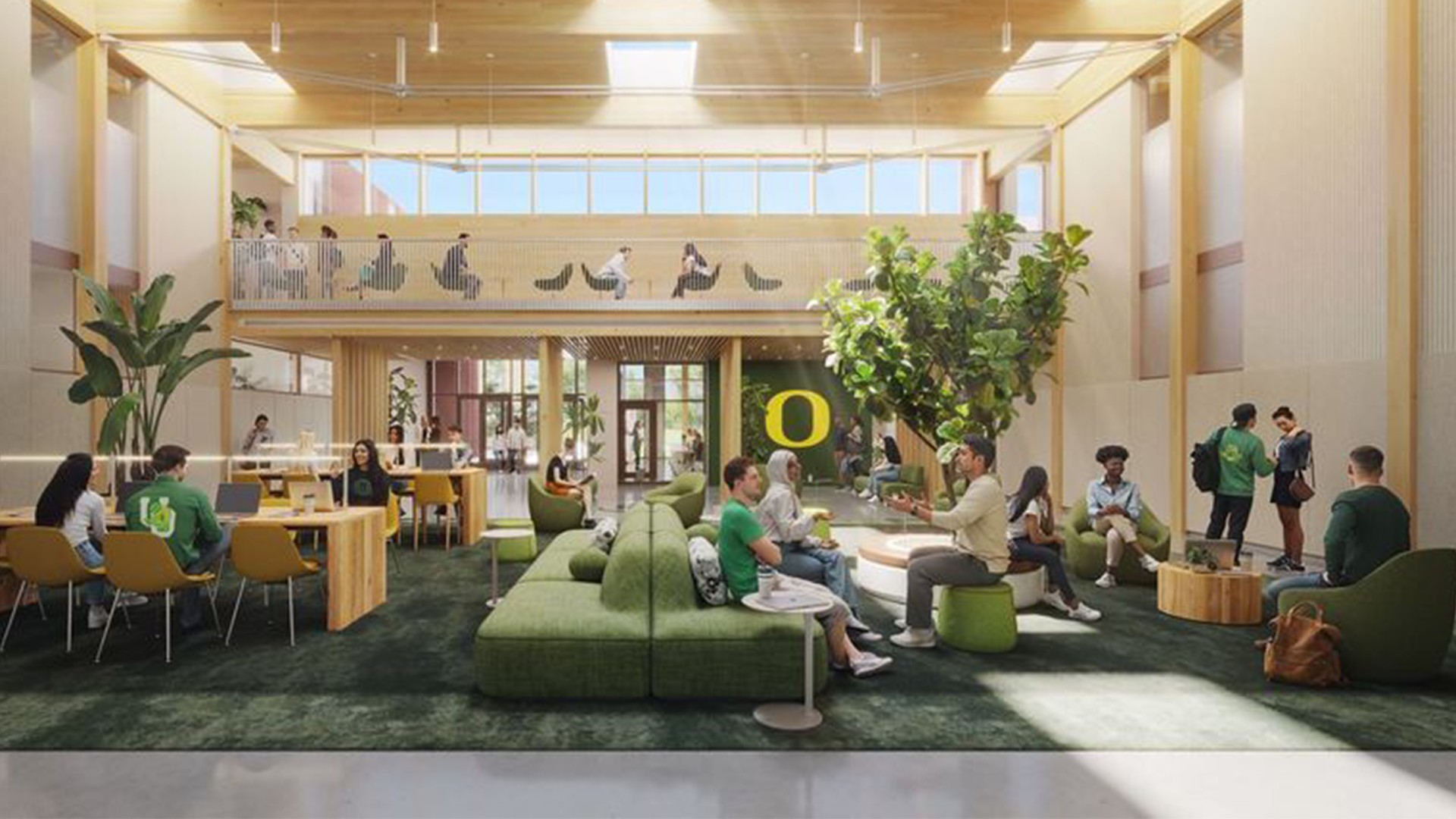
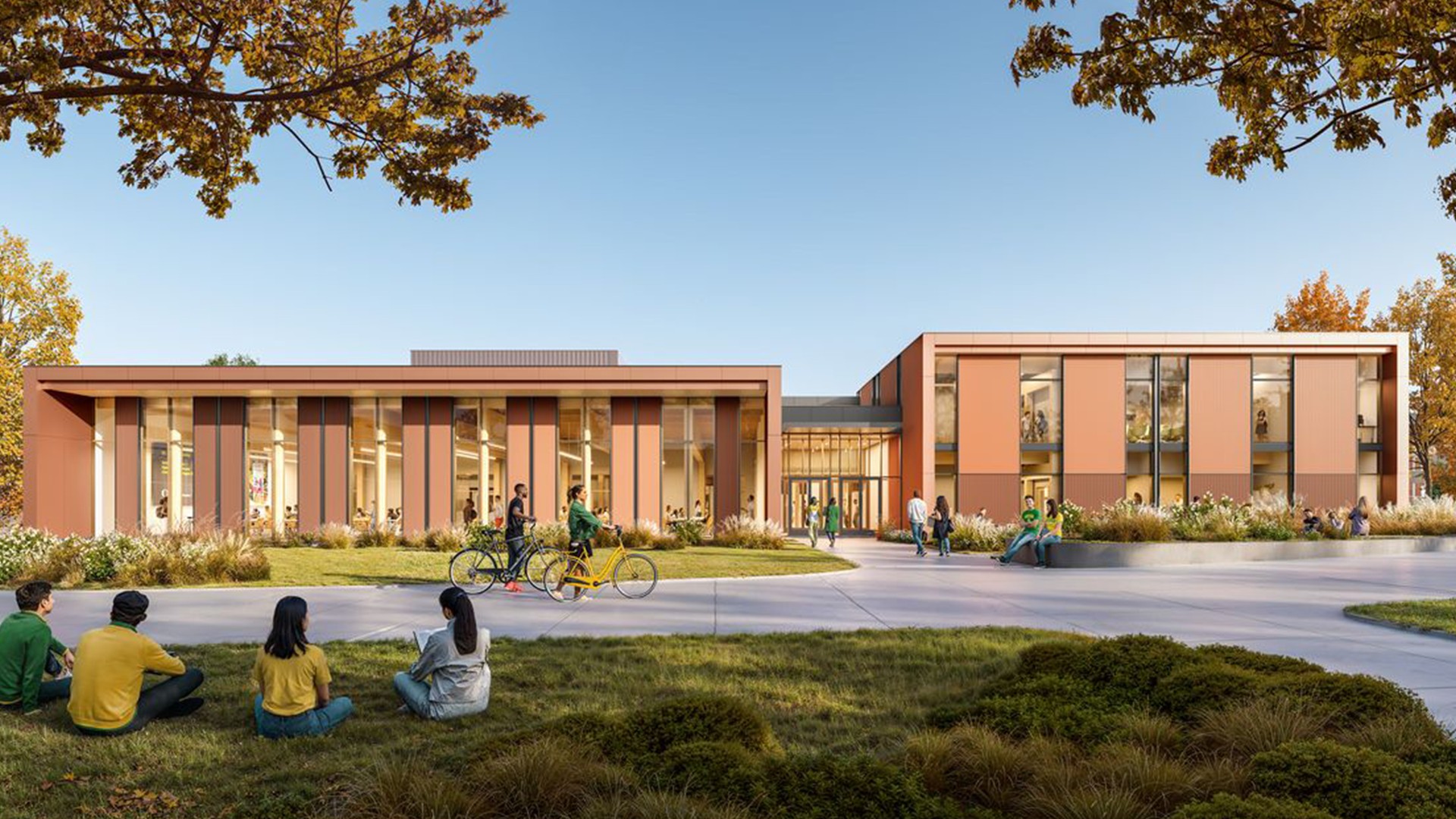
PORTLAND, OR – Skanska, a leading global construction and development firm, broke ground on the University of Oregon's Ballmer Institute for Children's Behavioral Health on June 11. The 54,000-square-foot mass timber facility will be located on the university's northeast Portland campus. It will house the Ballmer Institute and the Prevention Science Institute, a multidisciplinary research center.
"Skanska’s partnership with the University of Oregon will have a lasting impact on children, families and communities throughout Oregon," said Trevor Wyckoff, Executive Vice President and General Manager for Skanska USA Building in Oregon and Southwest Washington. "This facility combines innovative mass timber construction with thoughtful, human-centered design to create a space that supports the next generation of behavioral health professionals while advancing sustainable building practices."
The building is scheduled for completion in late 2028. It will support education, research and community partnerships that strengthen Oregon's behavioral health workforce and improve outcomes for children and families.
Creating a hub for education, research and community partnerships
The new facility will bring together classrooms, research, clinical and office spaces in a purpose-built environment designed to support learning, collaboration and workforce development.
“The building supports a model where training and research work hand in hand to transform care,” Ballmer Institute Executive Director Katie McLaughlin said. “That is the promise of this building: to grow the workforce, improve the quality of behavioral health care and make support available to more children and families across Oregon.”
At the heart of the building will be a two-story Student Hub featuring exposed mass timber, abundant natural light and a second-floor pedestrian bridge connecting learning, research and office spaces. The facility will also include two approximately 75-seat classrooms separated by a Skyfold operable wall, allowing the spaces to be combined for larger lectures, events and community gatherings.
The project includes demolition of existing campus buildings and construction of classrooms, offices and collaborative spaces. Additional work includes utility relocations, site improvements and a new 18-stall parking lot dedicated to the facility. Early construction work will relocate a 15-inch combined sewer line and fiber infrastructure to make way for the new building.
As a key component of the university's long-term campus master plan, the facility will help create a quieter, more intimate central campus quad while preserving the character of the existing campus. Stormwater will be managed through infiltration-based systems utilizing drywells, and tree protection measures have been installed to preserve as many existing mature trees as possible throughout construction.
One of the nation's largest all-mass-timber healthcare projects advances well-being and sustainability
The two-story facility was designed by ZGF Architects. It will utilize approximately 18,200 cubic feet of cross-laminated timber (CLT) and 12,500 cubic feet of glulam, creating an all-mass-timber superstructure supported by concrete foundations.
The project is expected to be one of the largest all-mass-timber healthcare projects in the United States and will feature CLT floor and roof decks, glulam beams and columns, a mass timber stair, CLT elevator shaft, CLT pedestrian bridge and queen-post trusses.
Skanska will self-perform the erection and installation of the timber structure, drawing on its experience delivering complex mass timber projects across the Pacific Northwest and beyond.
The structural system incorporates innovative mass timber design strategies, including primarily wood-to-wood connections that improve constructability and efficiency while creating flexible pathways for mechanical, electrical and plumbing systems. The design also minimizes exposed conduit within timber spaces, helping preserve the warmth and visual appeal of the exposed wood structure.
“Mass timber was selected for its sustainability benefits and its ability to support biophilic design principles that connect occupants to natural materials and environments,” said Wyckoff. “Research has shown that wood-rich spaces can contribute to comfort, well-being and reduced stress, making mass timber an increasingly popular choice for education and healthcare-related facilities.”
The facility is targeting LEED Gold certification, supporting the university's sustainability goals while creating an inviting environment for learning, collaboration and research.
Building on Skanska's mass timber expertise
The project further expands Skanska's mass timber portfolio across the country and in the Pacific Northwest. The company has applied its expertise to projects including the Portland International Airport terminal expansion, Washington Center for Deaf & Hard of Hearing Youth (CDHY), Mosaic Community Health and the Redmond Cancer Center.
Contact

West
Daniela Arellano
Communications Director