Health
Revitalizing cancer care across the country: How innovation is reshaping the patient experience
Cancer care is evolving. Across the United States, healthcare providers are investing in a new generation of cancer centers designed to deliver more specialized treatment, improve patient outcomes and create environments that support healing at every stage of the care journey.
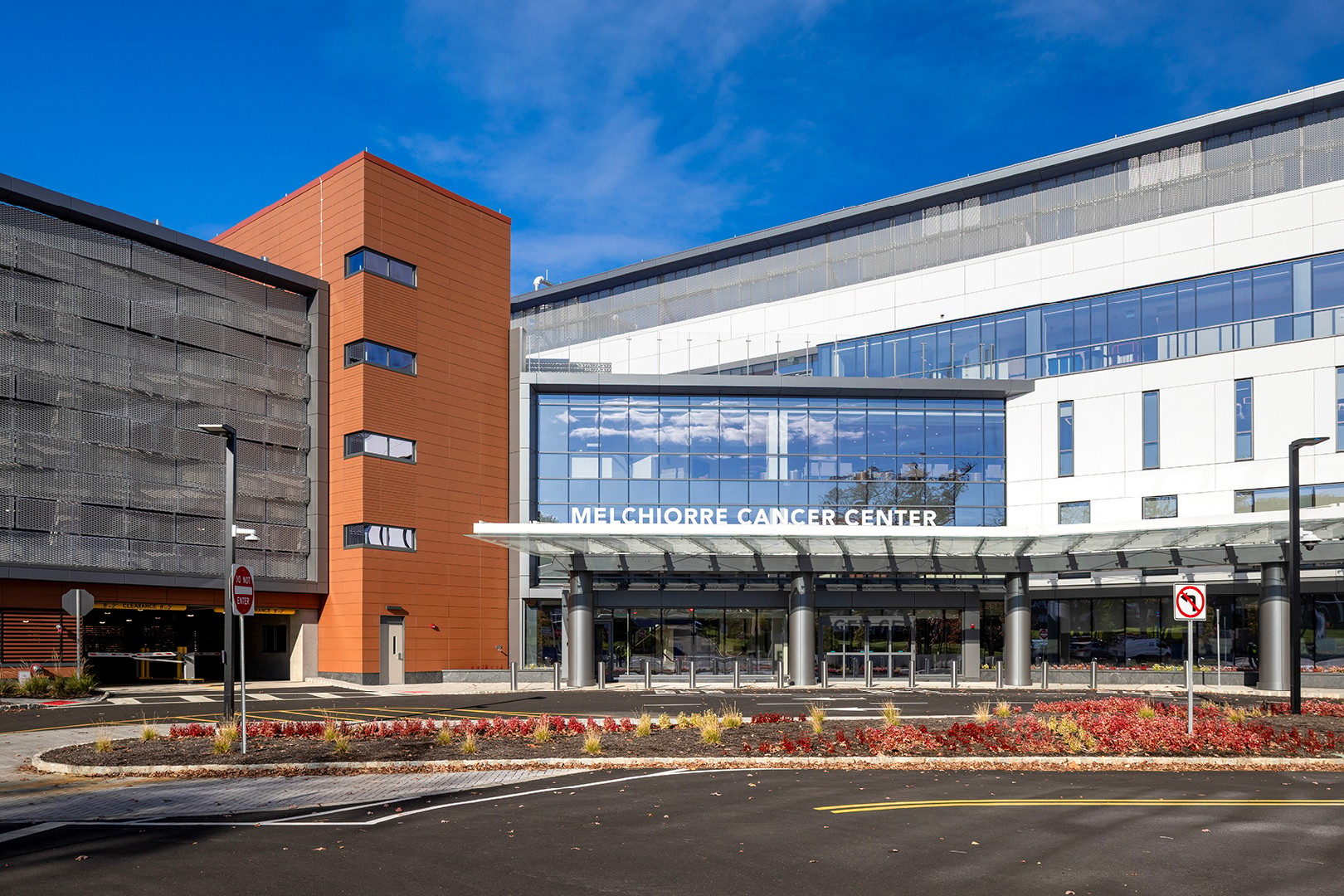
As demand for oncology services grows, cancer centers are becoming hubs of innovation where advanced technology, patient-centered design, and research collaboration come together to transform care.
At Skanska, we're helping healthcare systems and academic medical centers bring that vision to life through facilities that not only support cutting-edge treatments but also prioritize the needs of patients, caregivers and healthcare professionals.
Advancing care through technology
One of the most significant trends shaping modern cancer centers is the adoption of advanced medical technologies.
Among these innovations is MR-LINAC technology, which combines MRI scanning capabilities with a linear accelerator to improve radiation treatment for patients.
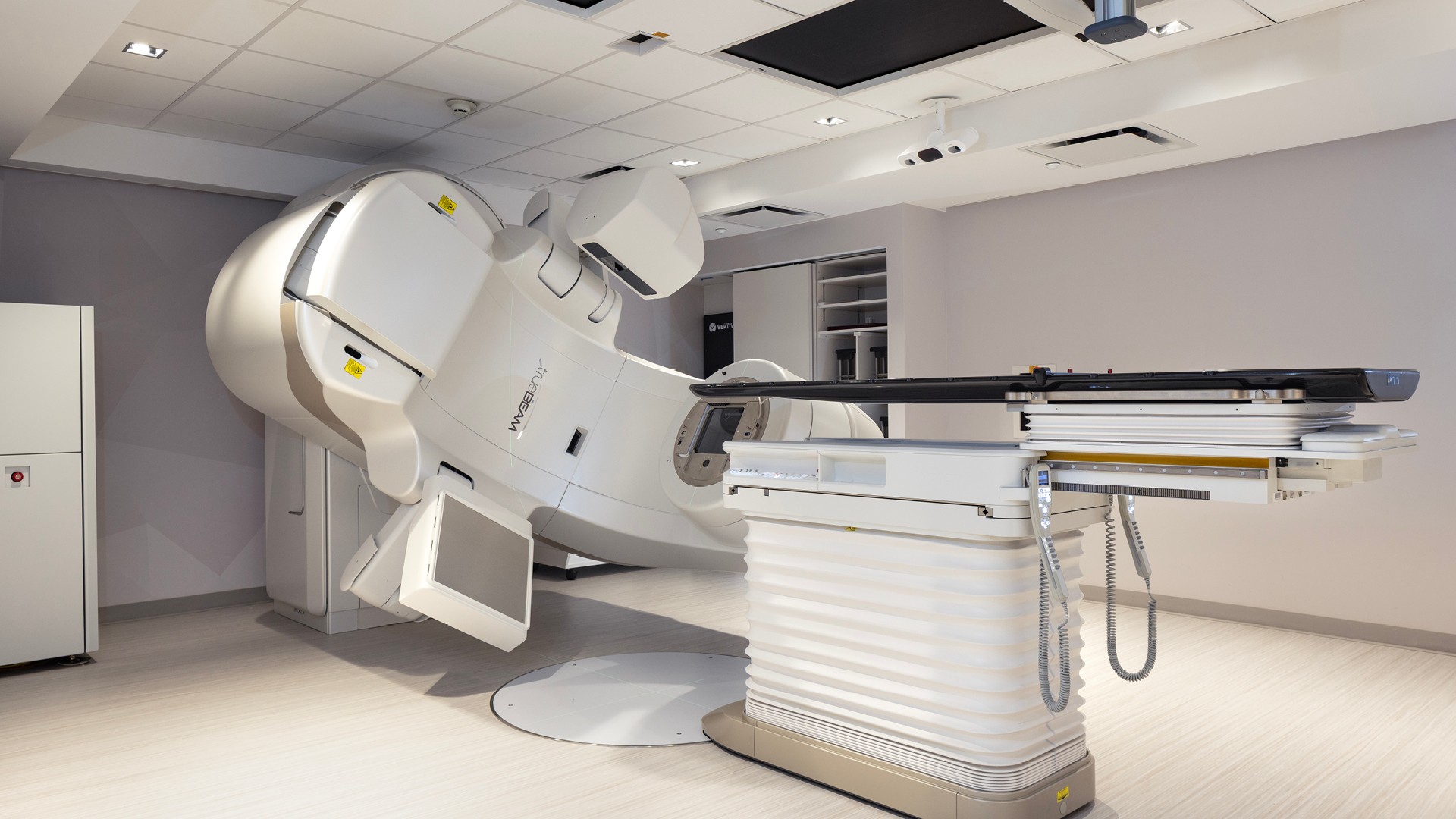
RWJBarnabas Health, Melchiorre Cancer Center features an advanced MR-LINAC machine – one of only three in New Jersey. The new five-story, 137,000 square-foot building recently opened to the public in Livingston.
Our experience on recent MR-LINAC projects has given us an understanding for what the necessary requirements are for the supporting requisite MEP infrastructure, quench routing and exclusion zones, radioactive-shielding, rigging and structural support required for this type of equipment.
Our teams have taken away some very valuable best practices and lessons learned, including the importance of a very detailed QA/QC process with these types of projects. Having extensive inspections done with specialty contractors is necessary to make sure all work is installed within the strict tolerances required to release medical equipment.
Integrating spaces with biophilic design
As cancer treatment becomes technologically advanced, healthcare organizations are placing equal emphasis on the environment where the care occurs. Patients often spend extended periods in treatment, making comfort, natural light and emotional well-being essential design considerations.
This is driving greater interest in biophilic design and mass timber construction in outpatient spaces. During the construction of the recently completed St. Charles Health System Redmond Cancer Center in Oregon, Skanska worked with the client and design team to evaluate how mass timber could be incorporated into the project while keeping functionality, healing environment and value top of mind.
The result? A two-story hybrid mass timber and steel structure that creates warm, welcoming spaces filled with floor-to-ceiling windows and skylights above. Infusion treatment areas feature exposed cross-laminated timber (CLT) and expansive views of the Cascade mountain range, helping create an atmosphere that supports comfort and healing.
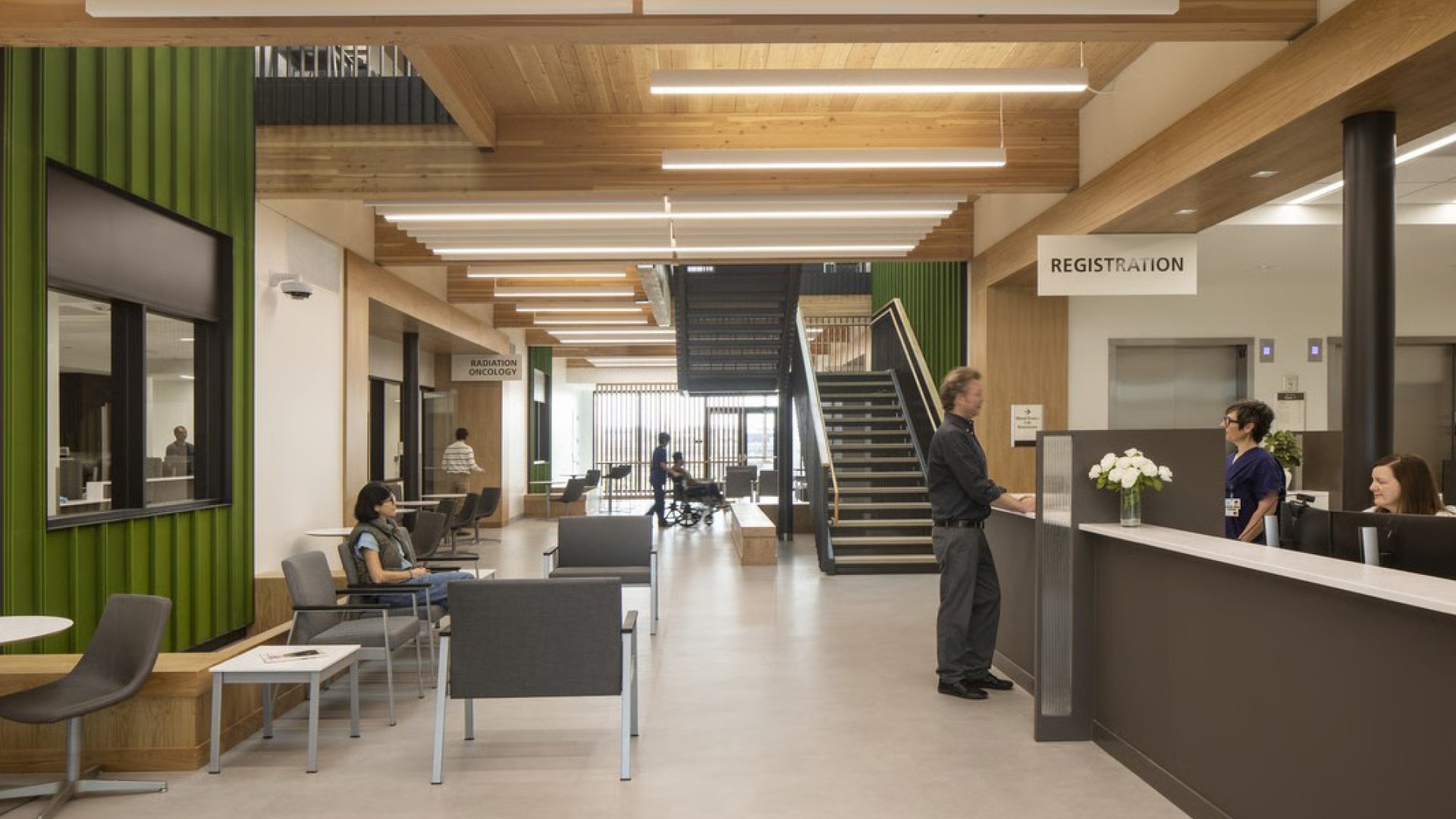
Mass timber is increasingly being explored in healthcare environments because it balances sustainability goals with performance and durability requirements while creating more human-centered spaces for patients and staff.
Industry leaders anticipate seeing more use cases in healthcare facilities while balancing infection control and durability needs.
Bringing research and care together
Another emerging trend is the integration of research, education and patient care within a single destination. Heightened financial challenges in today’s market have some academic medical centers exploring creative partnerships that allow them to expand services while accelerating innovation.
Having research, clinical trials and care under one roof is also a huge benefit for patients – it’s bringing treatments to patients faster and improving survival outcomes for cancers often resistant to conventional treatments.
The University of Cincinnati and UC Health Blood Cancer Healing Center exemplifies this approach. The facility brings together clinical care, research and educational programs in one location, creating opportunities for collaboration between researchers, clinicians and educators. Patients benefit from streamlined access to services and the ability to receive comprehensive care in a single destination.
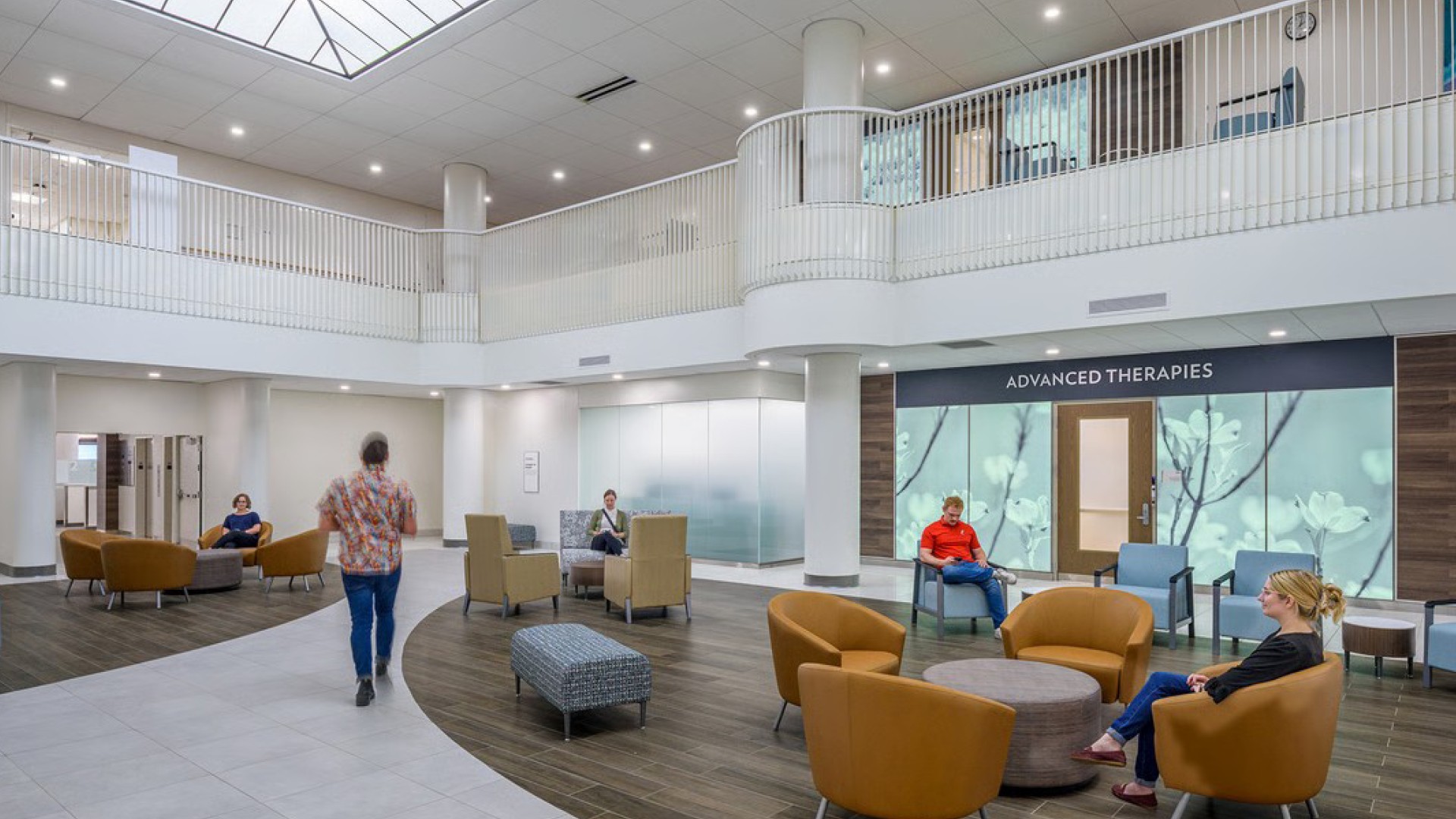
This joint redevelopment required unique planning, funding strategies and coordination between university and healthcare stakeholders.
It also focused on improving wayfinding, reducing barriers to care and supporting future growth, all while meeting the specialized needs of immunocompromised patients.
Building the future of cancer care
Perhaps one of the clearest examples of where cancer care is headed can be found at the OHSU Vista Pavilion in Portland, Oregon. The new 14-story, 530,000-square-foot hospital tower significantly expands clinical capacity on OHSU’s Marquam Hill campus.
The tower serves as a premier oncology center, treating cancers and other complex conditions, while enabling OHSU to repurpose existing clinical spaces across campus to meet growing demand.
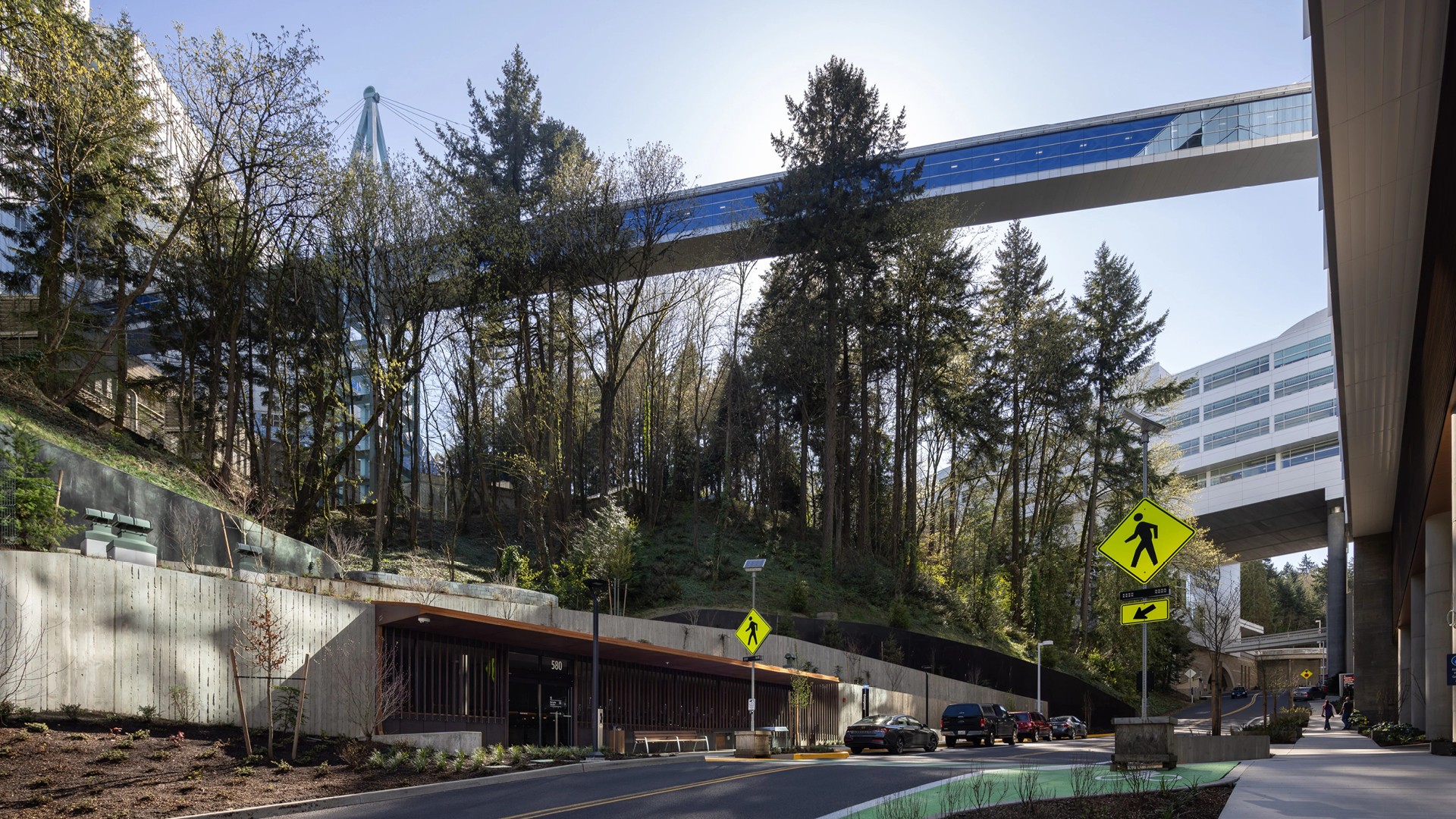
The facility was developed through a unique collaborative delivery model to streamline patient care and elevate hospital operations across a space-constrained urban hillside campus. This model brought together healthcare leaders, clinicians, designers and construction professionals to solve complex challenges. Every aspect of the project, from its connected sky bridges and prefabricated building components to its patient-informed interiors, was designed to improve both operational efficiency and the patient experience.
The pavilion's design prioritizes natural daylight, outside views, acoustics, artwork and material selections informed by patient and staff feedback, creating an environment that supports healing while enabling world-class cancer treatment.
A new era for oncology facilities
As cancer care continues to evolve, the facilities that support it must evolve as well. From advanced treatment technologies and biophilic design to integrated research partnerships and patient-centered environments, the next generation of cancer centers is redefining what healthcare facilities can achieve.
By combining innovative construction approaches with a deep understanding of clinical and patient needs, healthcare organizations are creating spaces that improve quality of life, foster discovery and expand access to care.
Across the country, these investments are revitalizing cancer care and helping shape a healthier future for patients, families and communities alike.
Categories