Thinking big
Construction picks up the productivity pace
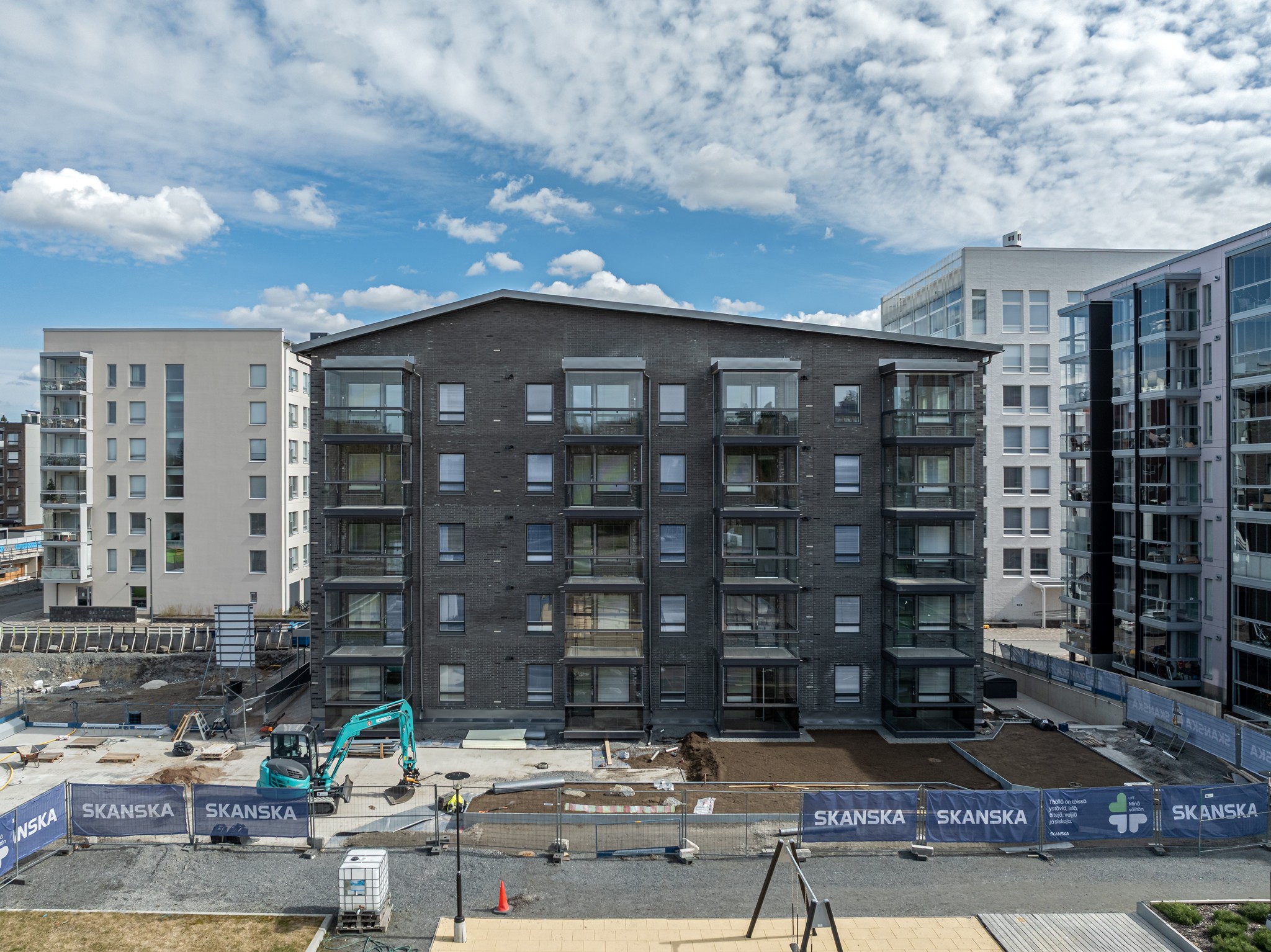
Construction is sometimes described as lagging in productivity. But things are changing. Workflow optimization methods, such as Lean Construction, are having a transformative effect, with an apartment block built in only six months just one of the startling outcomes.
Half the Time: A New Era of Construction Efficiency
Play podcastIn the latest episode of the Shaping Sustainable Places podcast, now also available on video, we speak with Skanska Finland's Director of Operational Efficiency, Dr Jan Elfving.
As well as revealing the secret to the 6-Month Apartment Project, he sheds light on techniques now being used to improve construction efficiency.
A Lean way of working
Jan explains that construction has historically lagged behind other sectors in terms of productivity due to factors such as industry fragmentation and the uniqueness of individual projects. While some individual trades became more efficient, overall construction productivity remained stagnant. That’s now changing, as advances in Finland illustrate.
One shift has been the growing adoption of Lean Construction approaches, which places focus on improving the flow between trades, reducing rework as well as wasted time and movement. Support from the Building 2030 collaboration with academia has helped the industry to translate theory into practice and embrace ‘Takt Time’ production approaches, where different trades move through work zones in a steady, carefully sequenced rhythm.
Zero accidents and fewer defects
Jan says Skanska Finland used these concepts to create the 10/25/50 program, which set targets to reduce production time by 10 percent, then 25 percent, and ultimately by 50 percent on a flagship project.
The 6-Month Apartment Project brought these principles together in a 40-unit, six-story building delivered for an external client after a year of detailed cross-functional planning. High levels of prefabrication were central to its success: bathroom modules were manufactured off-site and delivered already installed on the slabs they would sit on, façades arrived with doors attached.
This approach resulted in zero accidents, fewer defects and significantly reduced waste. Jan says the project was recognized at the Global Skanska Awards and has inspired other Skanska business units to adopt similar Takt Time-based approaches and supporting software.
Looking ahead, Jan expects continued gains through systematic improvement rather than dramatic one-off breakthroughs. He anticipates expanding these efficiency approaches into commercial and industrial projects, supported by increasing use of AI to optimize schedules and production planning.
Watch and listen to the podcast
Episode: Half the Time: A New Era of Construction Efficiency
Categories