Press release
Boosting biodiversity across our highways projects
Creating wildlife friendly habitats and introducing nature-based solutions
Across our National Highways projects, Skanska teams are creating habitats, improving wildlife connectivity and using nature-based solutions to protect and enhance the environments around the roads we build.
Improving habitat connectivity on the A428 Black Cat to Caxton Gibbet scheme
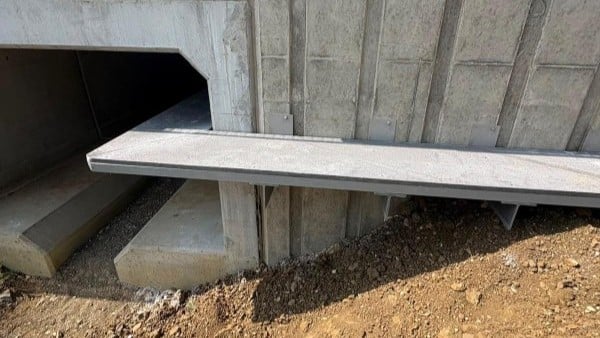
To support local wildlife, the project team has installed several culverts beneath the new roads so waterways and brooks can continue to flow naturally. Where some of the culverts intersect existing wildlife routes the team have installed raised ledges, giving animals such as voles and hedgehogs a dry, safe passage without entering the water or crossing busy roads.
The team has also delivered a purpose-built mammal underpass along the new dual carriageway. Bat surveys in 2021 identified key flight paths crossing the route, leading to the design of a 46-metre-long, five-metre-wide underpass positioned in line with an existing hedgerow used by bats. Established trees and fencing will be added to help guide bats towards these safer crossing points.
Nature-based drainage protecting water quality on M42 Junction 6
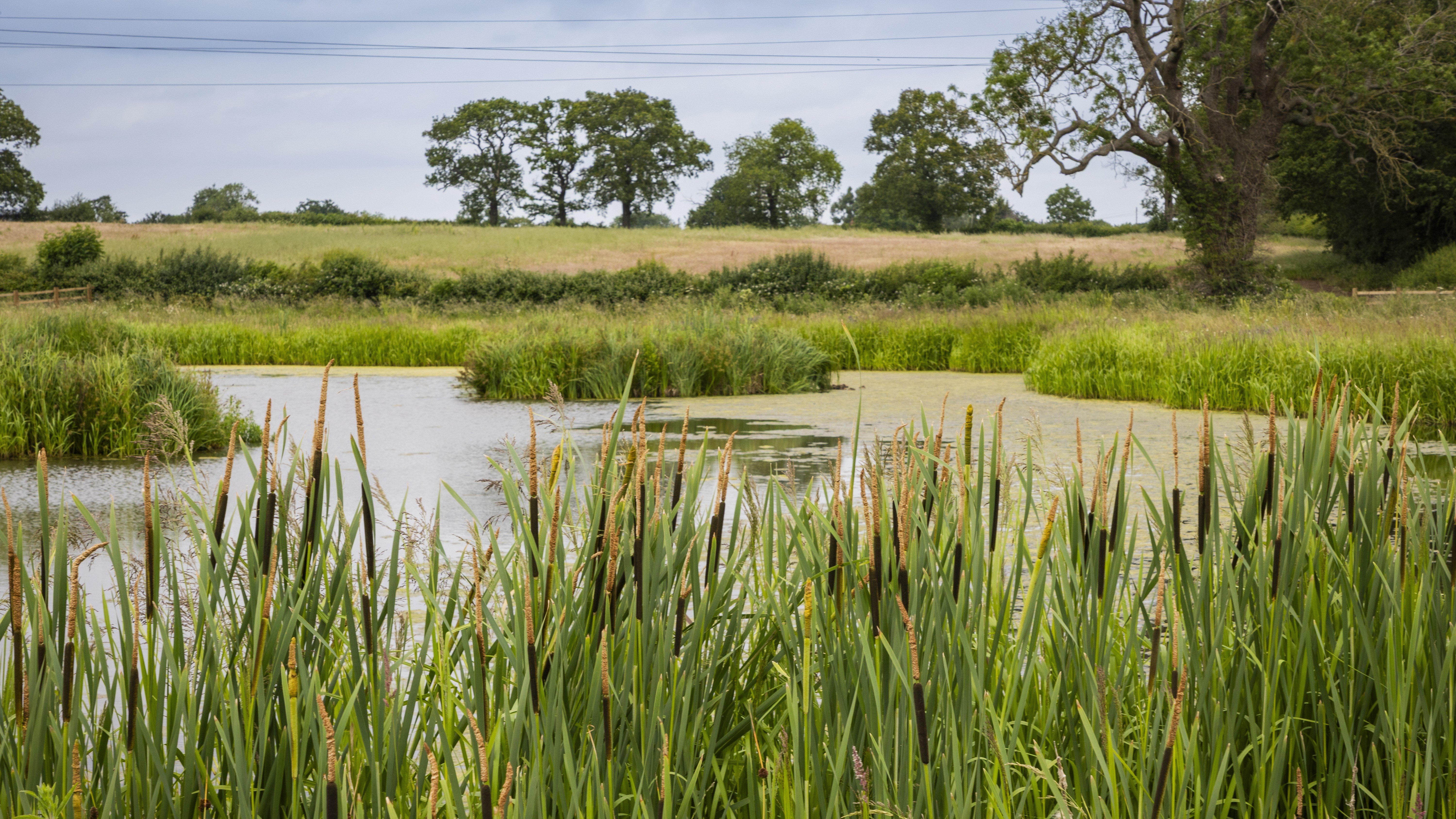
At the M42 Junction 6 project, new wetlands and reed beds form a key part of it's drainage strategy, helping improve water quality and strengthen resilience to the long-term impacts of climate change.
The drainage system has been designed to manage a one-in-100-year storm event, including climate change allowances. But handling water volume is only part of the challenge. Water running off the motorway must be clean and free from sediment and pollutants, including hydrocarbons and heavy metals before flowing into the local river.
To achieve this the team built large underground attenuation tanks, around four storeys deep to first capture the runoff water. It is then pumped out slowly through a combination of reed beds planted with carefully selected species and swales that filter the water. This nature-based treatment helps remove sediment and pollutants before the water is discharged via tributaries into the River Blythe, which is a highly sensitive environmental receptor.
Water quality is being monitored for several years after handover to confirm the system performs effectively over time.
Enhancing biodiversity on the A47/A11 link Road
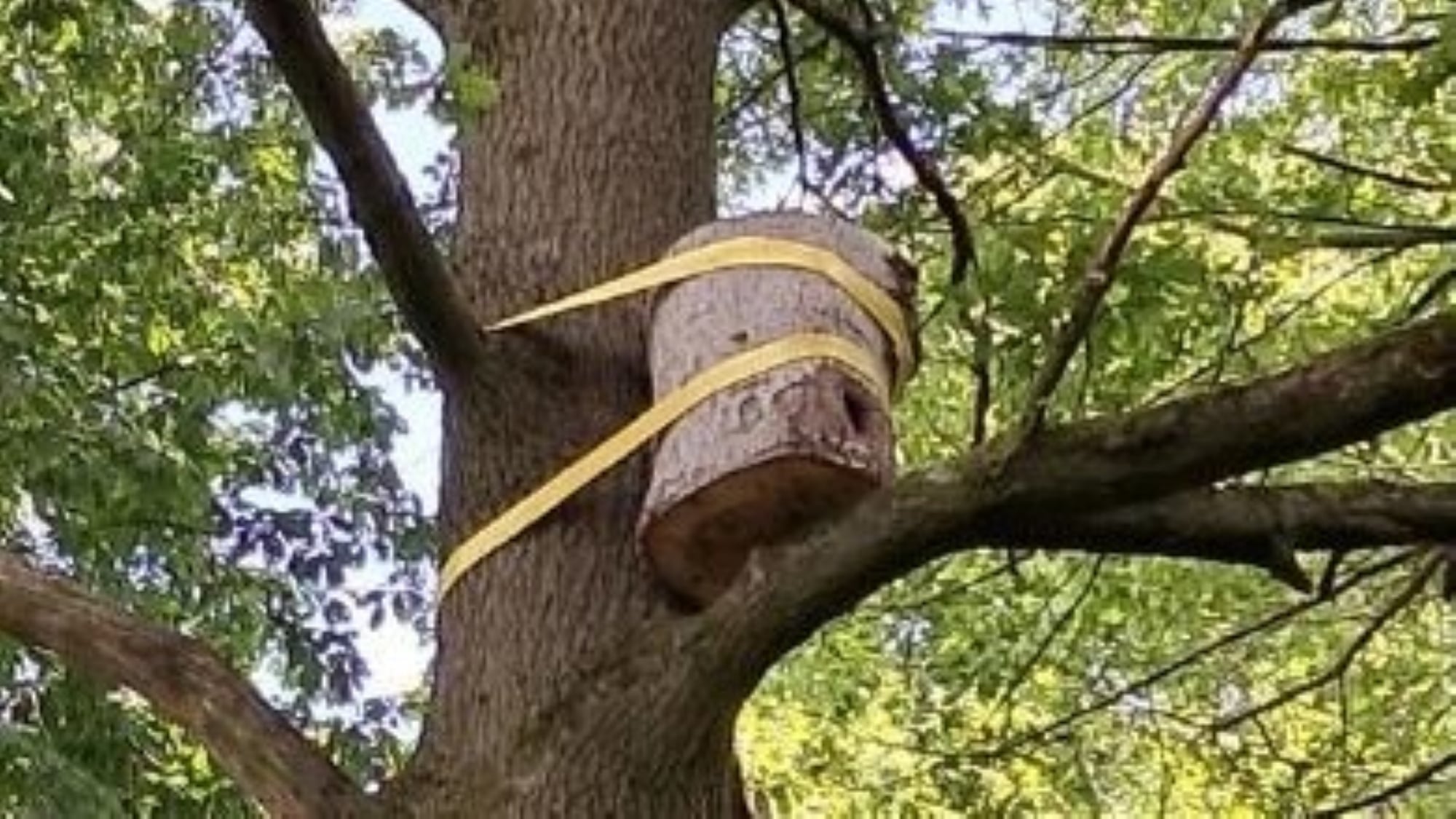
The A47/A11 link road team have introduced a range of measures to protect and enhance biodiversity. These include mammal ledges in the culvert beneath the new road, more than 100 bat boxes, 80 bird boxes and new habitats for translocated water voles.
Seed trials are also under way to identify the most suitable species mix for the area, supporting long-term habitat establishment and ecological resilience.
Creating natural spaces on the Lower Thames Crossing (LTC) Kent Roads scheme
In Kent, our project team has created a 13-hectare ecological site. This is the first major green space completed by Kent Roads for the Lower Thames Crossing scheme, supporting the project’s ambition to become Britain’s greenest road.
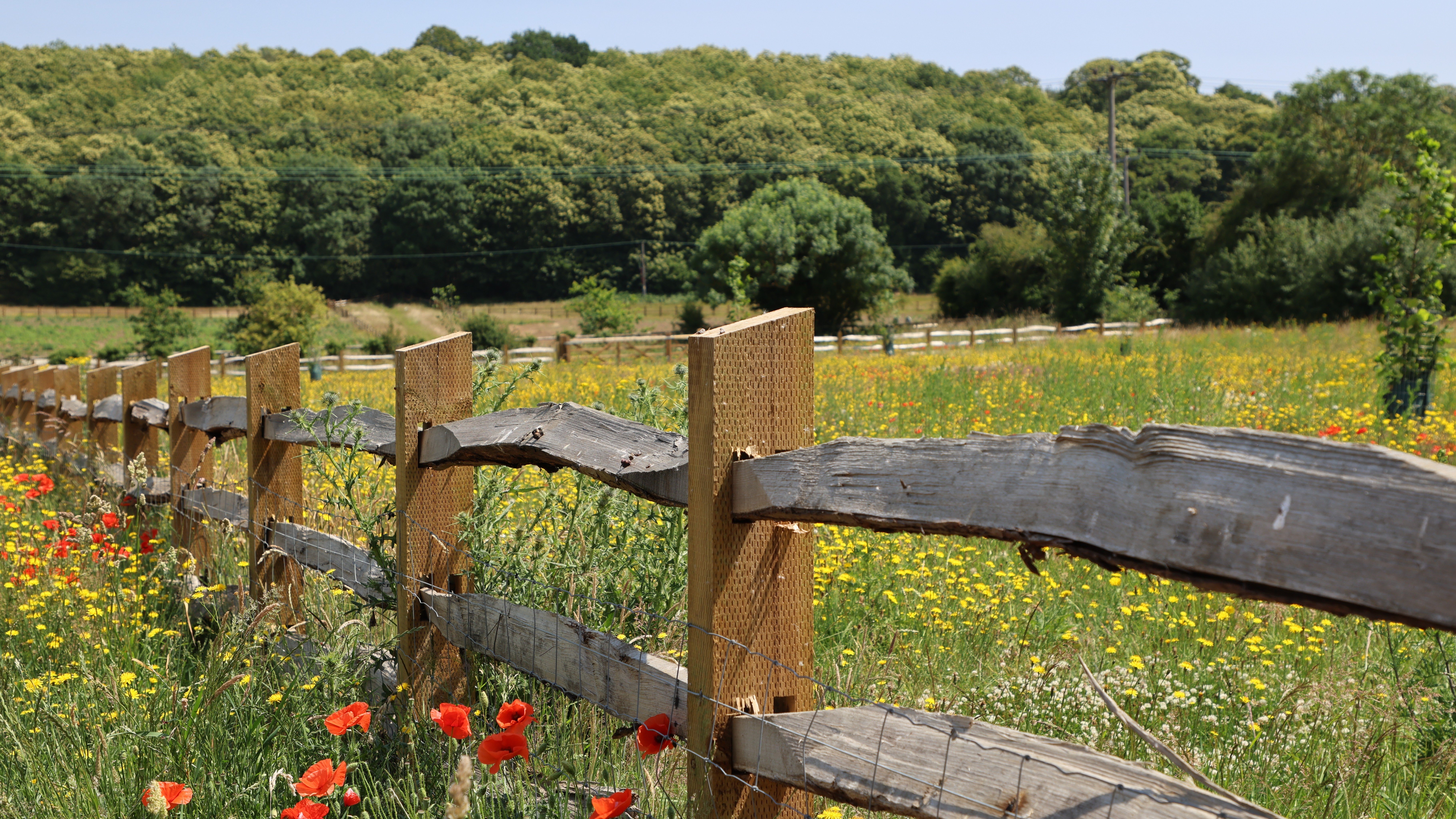
The site is larger than 16 football pitches and has been delivered early so it can mature before major construction begins. Former low-biodiversity grassland has been transformed into a more varied habitat for insects, birds, bats, reptiles and amphibians, with more than 200 trees planted alongside shrubs, hedgerows and four new ponds.
Soil nutrient levels have also been carefully managed to encourage a richer mix of grasses and wild plants over time. As the habitat matures, it will create new homes for wildlife, complement nearby Shorne Woods Country Park and form part of the wider Lower Thames Crossing programme, which will deliver extensive green spaces, habitats and improved access to nature across the region.