Press release
New 27-acre ecological habitat completed on Lower Thames Crossing
Skanska has completed the work close to Thong village in Kent, creating a natural space for plants and wildlife.
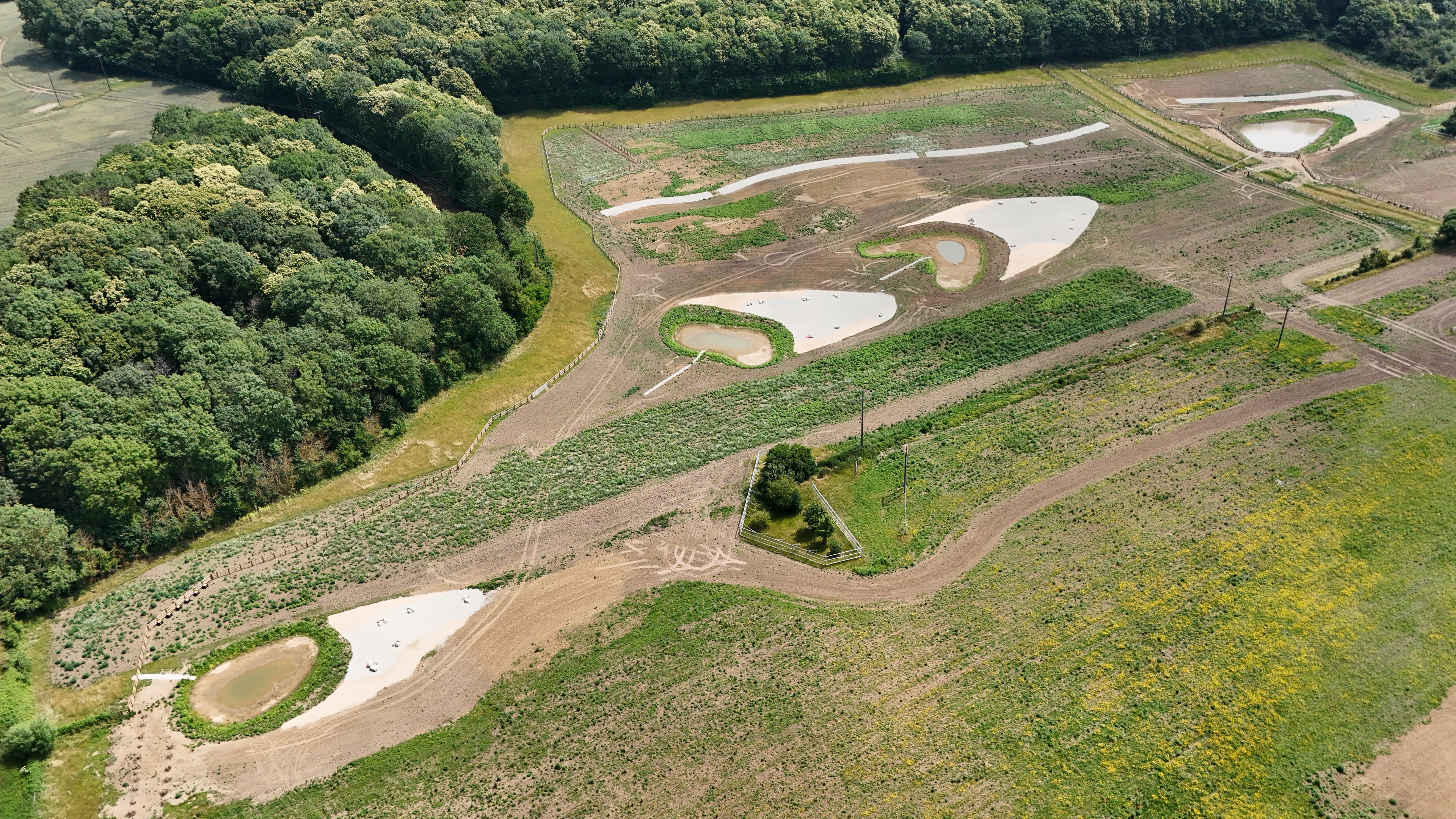
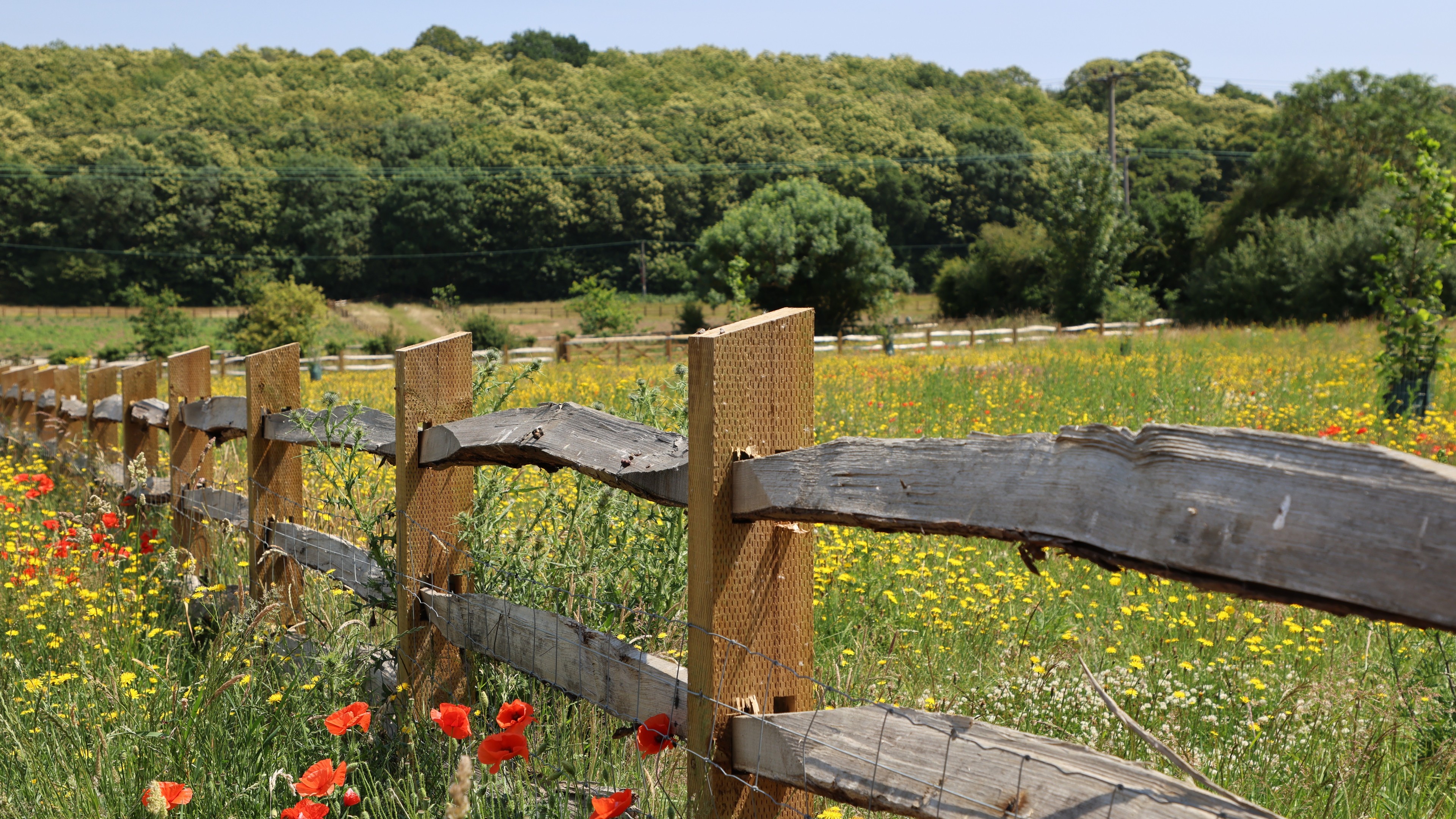
A vast nature area providing new homes for local wildlife has been set up in Kent, the first major new green space to be completed as part of work to make the Lower Thames Crossing Britain’s greenest road. Find out more from Sophie Smith, Graduate Environmental Advisor in this video.
The 13 hectare ecological site, which is bigger than 16 football pitches, acts as a gateway to the rolling countryside of the Kent Downs with a public footpath providing a link from the village of Thong.
Working on behalf of National Highways, Skanska has created the new habitat early in the project, so it has time to mature ahead of major construction work starting.
The site has been transformed from a low biodiversity grassland field into a rich new habitat for local wildlife such as insects, newts, lizards, snakes, birds and bats. It also provides habitats for reptiles, with some potentially being relocated from project construction sites to ensure they are out of harm’s way. More than 200 new trees including silver birch, hazel, oak and yew have been planted along with shrubs, hedgerows and four new ponds created.
The nutrient levels of the soil at the site have been adjusted to encourage a wider variety of plant species such as fescue grasses, crested dogstail and common bent to thrive and avoid a small number of dominant species from taking over. Over the coming years the area will evolve as meadows and grasses grow, ponds fill with rainwater, and local wildlife begins to make the site its home.
Chris Butcher, Senior Works Manager, Skanska UK said: “We built a fantastic relationship with people in the village, which has been a huge help with planning the works while keeping spaces open, such as for dog-walking.
“As the new ecological habitat matures, it will create a haven for wildlife and local people. As it connects into Shorne Woods Country Park, it will offer access to more woodlands, lakes, meadows and family-friendly facilities.
“Our focus now turns to delivering ground investigation works, constructing site access tracks and laydown areas for National Gas Transmissions – so they can divert their assets away from the route of the new highway. We are also finalising plans for our next package of ecological works, and will begin construction on our main Kent Roads office.”
Katharina Ferguson, Sustainability and Supply Chain Development Director for the Lower Thames Crossing said: “The Lower Thames Crossing is one of a new generation of projects that will boost the economy and protect and enhance nature. As well as tackling congestion and unlocking growth, it will create landscape scale new habitats across the region. We’re excited to finish the first piece of this ecological jigsaw in Kent, which will be transformed over the next year as meadows and trees grow and a wide range of animals make it their home.”
Jamie Henderson, KCC's Cabinet Member for Environment, Coastal Regeneration and Public Health, said: "It's great to see that the work to shape, seed and secure this site has been completed, and that we can now watch it develop into an important habitat for wildlife. Its location next to Shorne Woods Country Park builds on the work Kent County Council has already undertaken with Lower Thames Crossing to enhance woodland habitats for dormice, a protected species found across Kent. The creation of a large pond is another valuable addition, enhancing habitats for a wide range of wildlife while also supporting reptile mitigation."
The Lower Thames Crossing is a new road and tunnel connecting Kent and Essex, that will improve journeys between the ports of the southeast, the Midlands and the North.
The project will create around six times more green space than road, with over 1,000 hectares of semi natural habitats. Work on a new community woodland and a wetland for wading and migratory birds is underway, and future plans include two public parks and over one million additional trees. Around 40 miles of pathways for walkers, cyclists and horse riders will also be created or improved to better connect the local community to the nearby countryside.
Skanska has been appointed to deliver works on the Kent roads section of the project.