Urban development
The construction industry has a great impact on the physical environment but also a great potential, in the development of society, to create sustainable and attractive areas for all. We need to develop our cities so that they become resilient and can offer good living environments both today and in the future.
Contact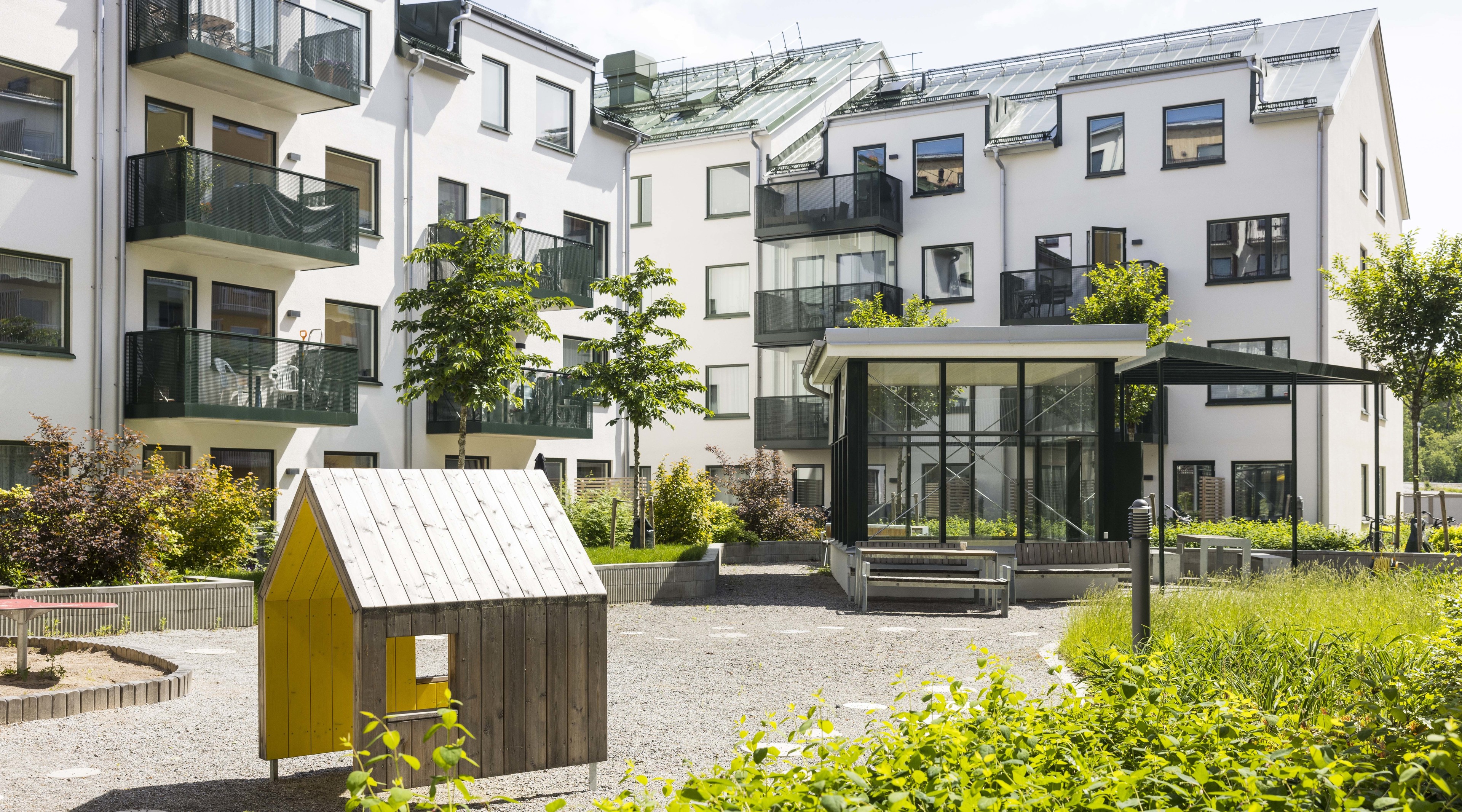
Integrate sustainability from the start
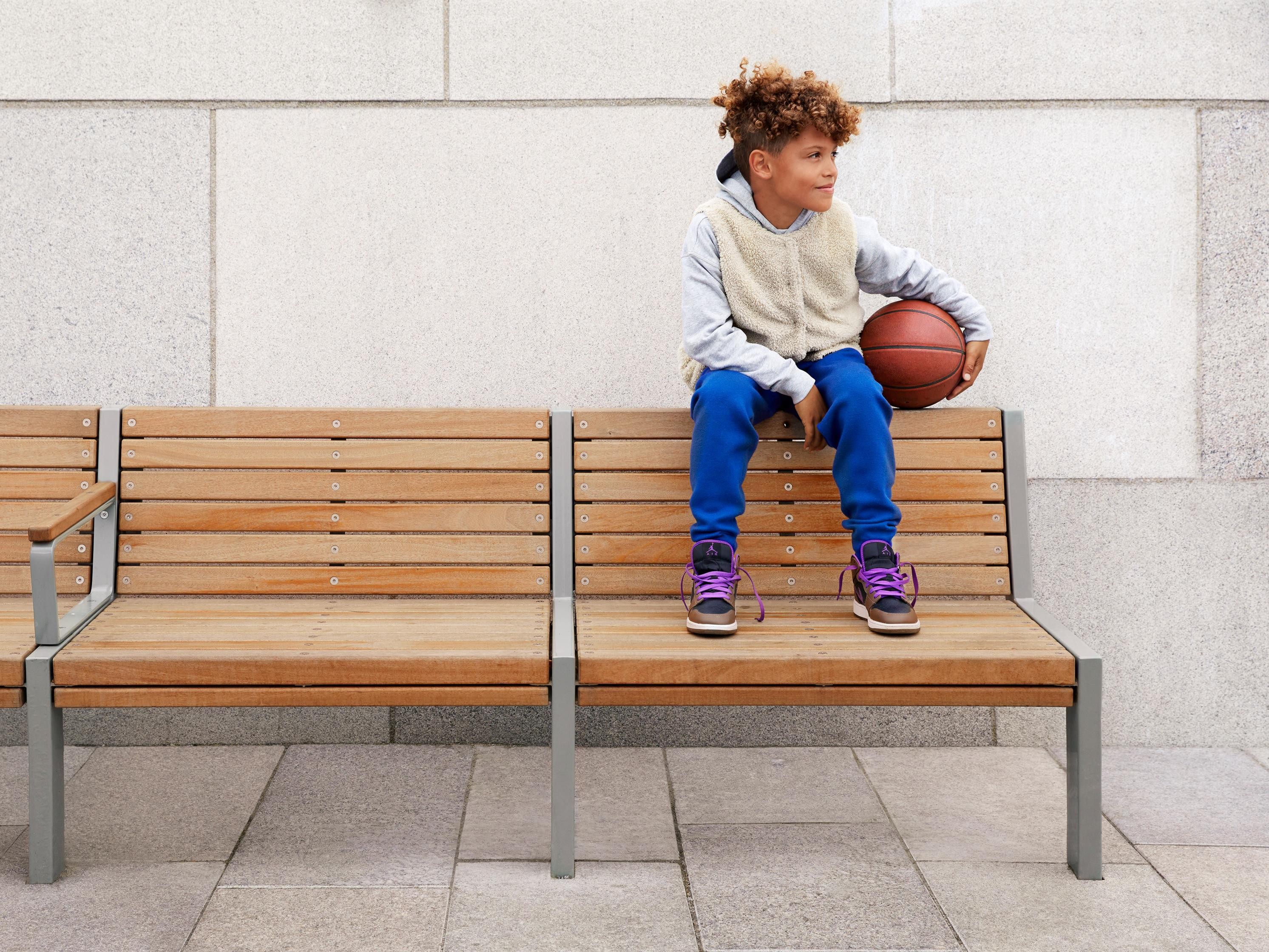
By taking a comprehensive approach to sustainability issues and integrating them into our processes, we contribute to resilient communities that withstand and can recover from stresses. It also provides conditions for working efficiently and finding synergies between different aspects – minimizing climate emissions from material choices, transport, and energy solutions, strengthening biodiversity, working on climate adaptation, and contributing to social values such as safety and community.
We know urban development
Broad internal competence
We have access to broad internal expertise in sustainability issues, which allows us to continuously build experience in sustainable urban development and quickly meet new needs.
Innovation and new solutions
We work with innovation and new solutions. Our collaboration with energy companies enables, for example, smart control of both electricity and heat that reduces operating costs and the environmental impact of the energy system.
Agenda 2030 and the UN's global goals
The starting point for our work with sustainable urban development is Agenda 2030 and the UN's seventeen global goals. They contribute a holistic view that ensures all relevant sustainability aspects are considered and that nothing falls through the cracks.
Clear control with Citylab
Our working method is based on Citylab, which creates clear governance and consensus in sustainability issues. One example is the Gottorp project in Bunkeflostrand in Malmö, which is certified according to Citylab and demonstrates our concrete sustainability work.
Sharing solutions create social relationships
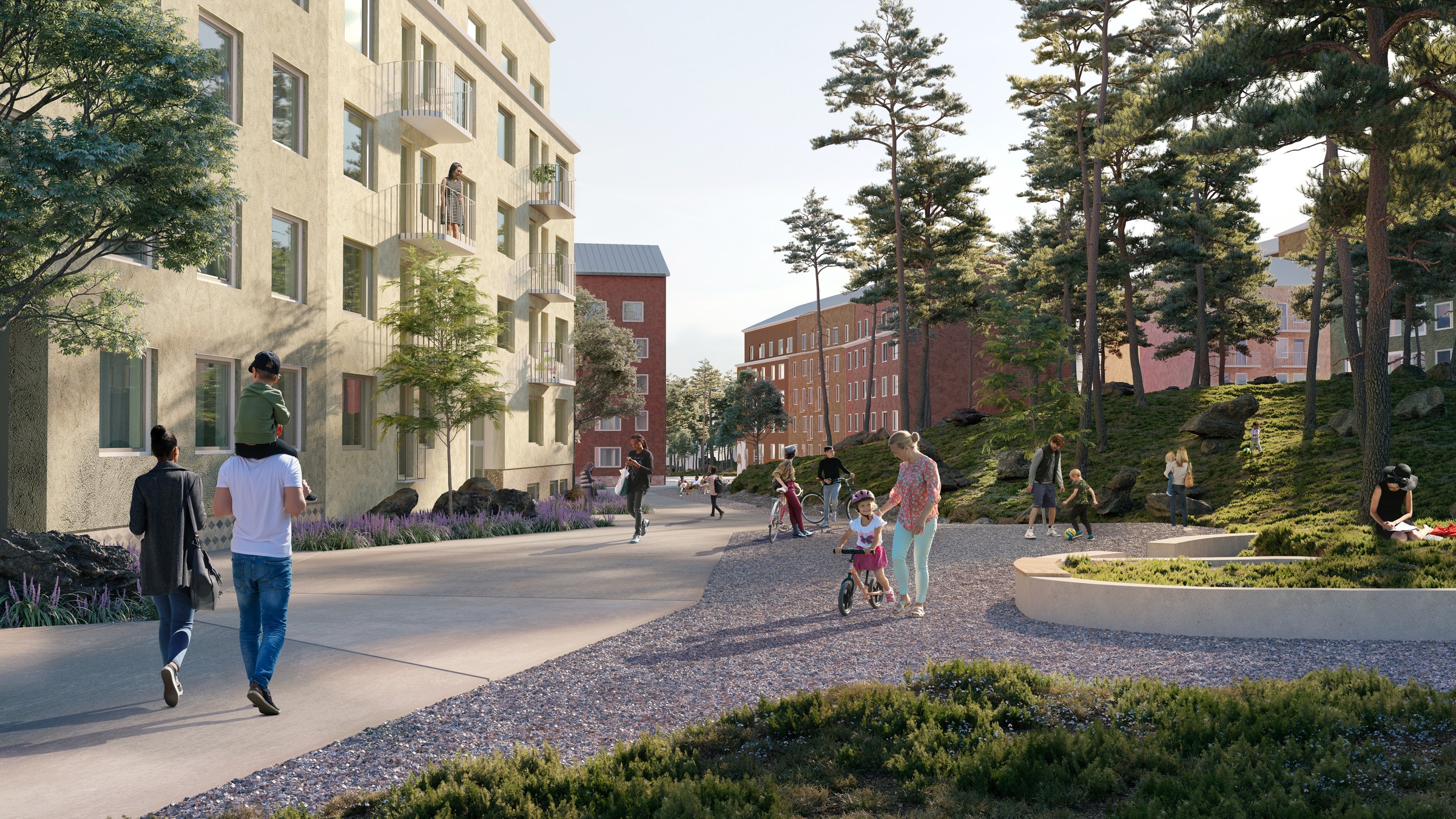
Thanks to our breadth, we can develop and build several different housing solutions, community services such as schools and elderly care homes, and important infrastructure. At the same time, we plan for areas to connect in a natural way, offer meeting places, encourage movement, and provide space for people to move safely in their local area. Through sharing solutions, not only are social relationships created, but environmental impact is also reduced. Skanska is already building houses and offices with net zero climate impact, and now we aim to strive for entire neighborhoods with as little climate impact as possible.
Contact us
Dagmar Gormsen
Sustainability Specialist
Anja Skans
Sustainability Specialist